Currents of kinship: Kinesthetic Ecology of the Sea
Residency
14-21.11
ISLAND CONNECT
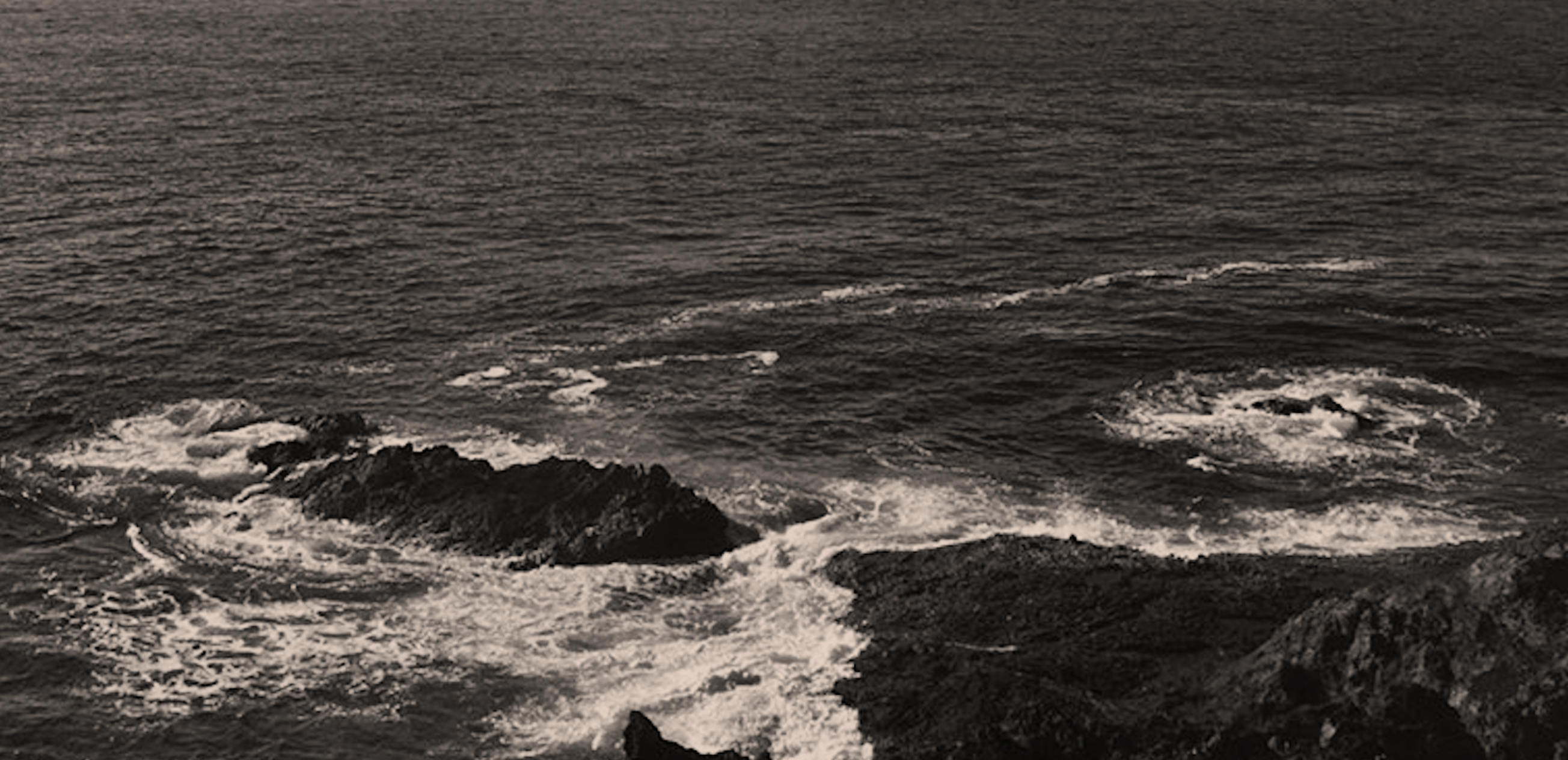
DACE – Dance Art Critical Ecology is initiating an artistic research cycle focused on the ocean, the rich marine life, and the archipelagic landscapes of the Baltic Sea. Together with peers from the visual and performing arts and scientific communities, we will examine the relationship between the human body and the ocean through movement and embodied practices.
In this research, we engage with the sea not merely as a vast expanse of water but as a complex ecosystem teeming with life—from microscopic plankton and marine insects to a diverse array of fish, mammals, and underwater vegetation. We embrace both the known and the unknown aspects of the ocean’s biodiversity, acknowledging its profound impact on all life and the essential role it plays in Earth’s ecology.
The Baltic Sea faces severe environmental challenges due to pollution, overfishing, climate change, and other human activities that have led to a critical state of ecological imbalance, threatening the myriad species that inhabit these waters. By confronting the impact of these actions, we aim to question the power structures and norms—including patriarchal systems—that have contributed to this situation.
Our research will reflect on how ancient narratives from Norse sagas and Homer’s epics have shaped perceptions of the ocean, juxtaposing these mythological views with the pressing realities of today. By integrating mythological, Anthropocene, and scientific perspectives—and embracing post-humanism, new materialism, and eco-feminism—we aim to generate new insights into how we engage with the sea. Inspired by the fluidity and diversity of marine life that often defies human classifications, we will challenge traditional binaries and norms.
We explore how embodied artistic practices can interact with these multifaceted dimensions of the sea. By decentering the human perspective and recognizing the agency of marine life and the ocean itself, we hope to foster a deeper connection and understanding.
We are thrilled to begin this research through the Creative Europe-funded network Island Connect and its artistic residency programs on islands in the Baltic Sea and the Balearic Sea. During an initial week in Mallorca, we will explore the delicate ecosystem of the Balearic Sea, which, much like the Baltic Sea, faces severe environmental challenges due to overfishing, pollution, and climate change. We find it valuable to meet with artists, curators, and researchers within the network and on the island to understand how they address critical ecological challenges facing marine ecosystems and foster collaborative approaches to environmental stewardship.
This cycle offers a space for reflection and collaboration, contributing to a deeper understanding of our relationship with ocean life. By highlighting the critical state of the Baltic Sea and the vast diversity it supports, we aspire to encourage thoughtful engagement and creative responses to these pressing environmental issues. We welcome your involvement in this cycle.
We extend our gratitude to Tang Fu Kuen, curator, for not only opening up the discussion on urgent questions concerning the ocean but also inspiring us to find a way for us to initiate the trajectory. We also thank Susanne Danig, Director of Bækkelund International Residency Center for Artists, for inviting us to the Island Connect network and supporting our discussions on creating an artistic research program around the Baltic Sea.

