Featured

DACE – Dance Art Critical Ecology

Rickard Borgström & Rebecca Chentinell.

Please scroll down for updates.
Stay with the brackish—

Dear friends, colleagues,

As the year turns, we find ourselves returning to what has carried us: the slow intelligence of fieldwork, the ethics of attention, and the moments when art and science move in the same current, without needing to become the same language.

This autumn, we’re grateful to hold Currents of Kinship close: the gatherings, the conversations, the listening practices, the shared shoreline time. Thank you to partners, artists, researchers, participants, and audiences for stepping into the work with care.

Meanwhile, other routes have continued to unfold. This season, Le Sacre du printemps (Tandvärkstallen), our ongoing collaboration with Zheng Bo, travelled onward, shown at Badischer Kunstverein Karlsruhe, KIM? Gallery Vilnius, and Kiang Malingue’s new gallery space in New York. Each presentation re-situated the work, asking it to breathe differently, and met new publics in new rooms.

Now we open the next threshold: we’re welcoming applications for the Currents of Kinship 2026 residencies, self-directed research periods for artists working with shorelines, fieldwork, and more-than-human attention.

Warmly,
Rickard & Rebecca

Open Call residencies — Currents of Kinship 2026
We’re opening the next passage. As part of DACE’s ongoing research cycle, Currents of Kinship, we invite applications for self-directed residencies within the European network Island Connect.

Currents of Kinship turns toward the sea, testing how fieldwork, embodied attention, and transdisciplinary exchange might reshape how we sense and relate to coastal ecologies. We welcome professional artists across generations and disciplines (performance, choreography, sound, moving image, writing, visual art, hybrid research practices), anyone drawn to working with shorelines as living, shifting conditions.

These residencies are not commissions. There is no obligation to produce a finished work or a public event. We value experimentation, process, and the articulation of questions.

Gotland, Sweden (hosted by DACE)
We invite one artist to a two-week, situated research period on Gotland in April/May 2026. The residency is grounded in fieldwork and habitat-responsive sensorial attention, shore meadows, shallow waters, rocks and sediments, plant and animal life, weather, and human traces, letting local conditions shape the work from within.

Vis, Croatia (hosted by DOMINO)
On the island of Vis (Komiža), this residency offers a Mediterranean counterpoint to our Baltic inquiry, another archipelagic threshold where currents, histories, and human traces shape the conditions for practice. DOMINO (Zagreb) hosts the residency at Spomen dom Komiža, a cultural centre with a fully functional performance hall and additional spaces for meetings, lectures, and workshops. DOMINO’s programmes engage performance and independent culture in relation to socio-political questions and climate change through long-running festivals and platforms, including Sounded Bodies and Queer Zagreb Season.

*

The artist will receive a fee of €600 per 2-week residency (€1200 in total) and per diems of €50 (€1400 in total). Accommodation and travel are provided.

This iteration of the residency programme focuses on artists based in France (to Gotland) and Sweden (to Vis).

If these themes resonate with you, whether you work in performing arts, visual arts, or other creative disciplines, we warmly invite you to apply. If you have questions, please contact DACE directly.

DEADLINE: 14 January 2026.
For more information and how to apply press this link
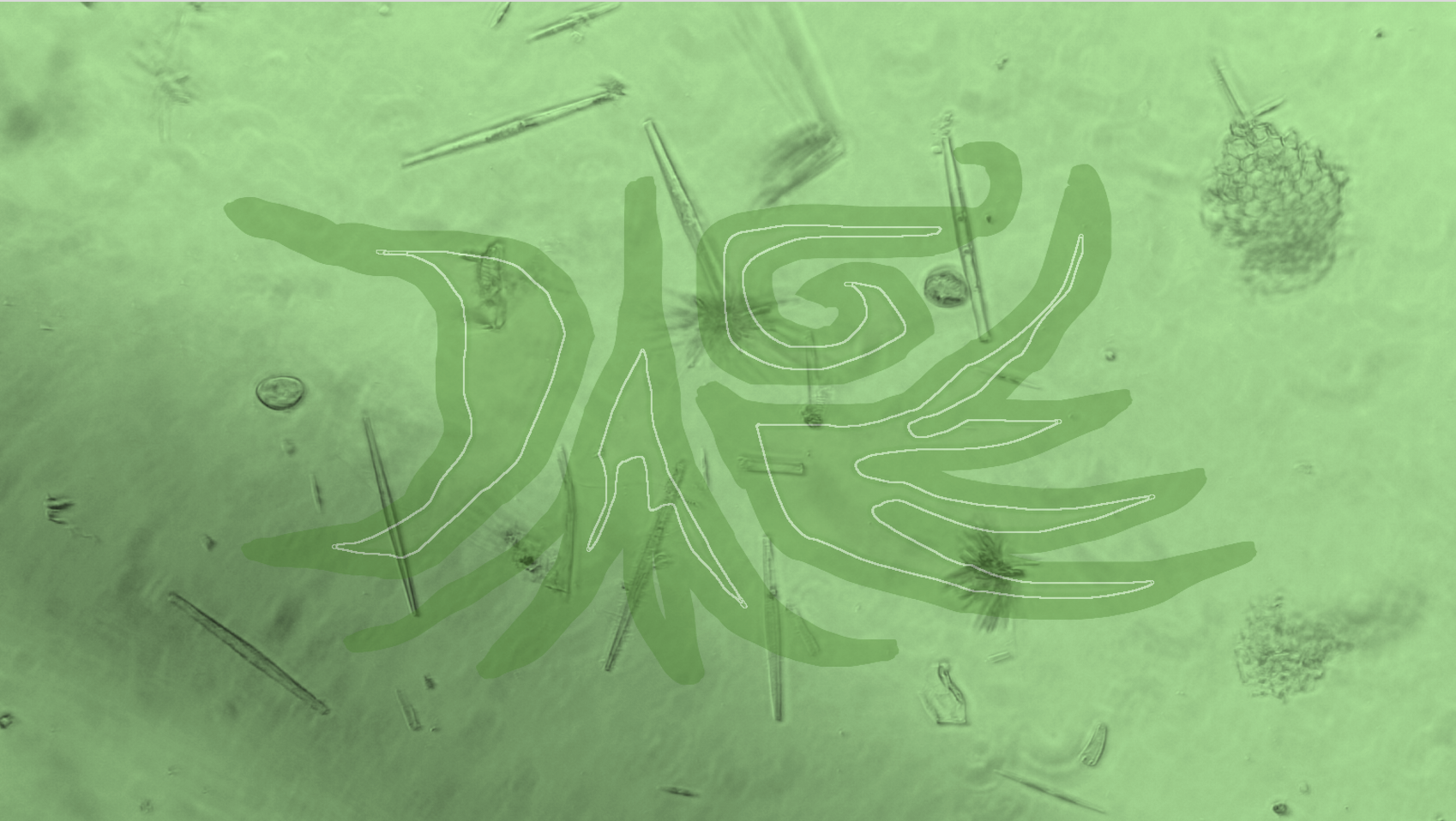

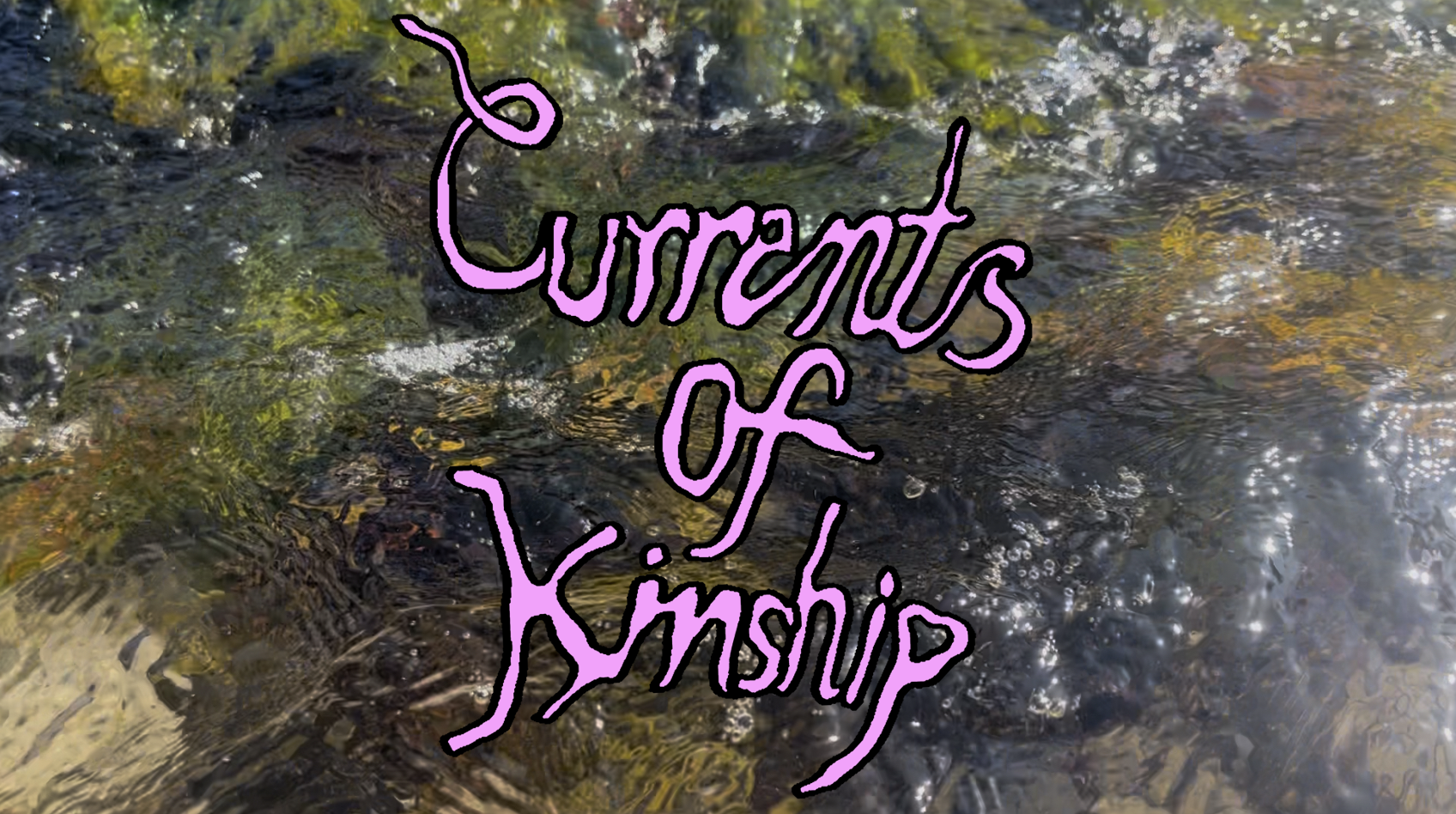
Through the current research cycle Currents of Kinship (from 2025 onward), DACE turns its attention to seas and shorelines, unfolding through fieldwork, habitat-responsive sensorial walks, residencies, and public gatherings around the Baltic Sea region. The cycle brings together artists, marine scientists, curators and local communities to explore how low-trophic species, shifting coastal ecologies, and currents intersect with embodied experience, cultural narratives and environmental shifts. Treating the sea as a collaborator, Currents of Kinship tests how artistic practices can register and respond to ecological change while imagining forms of kinship that extend across species, waters and territories.

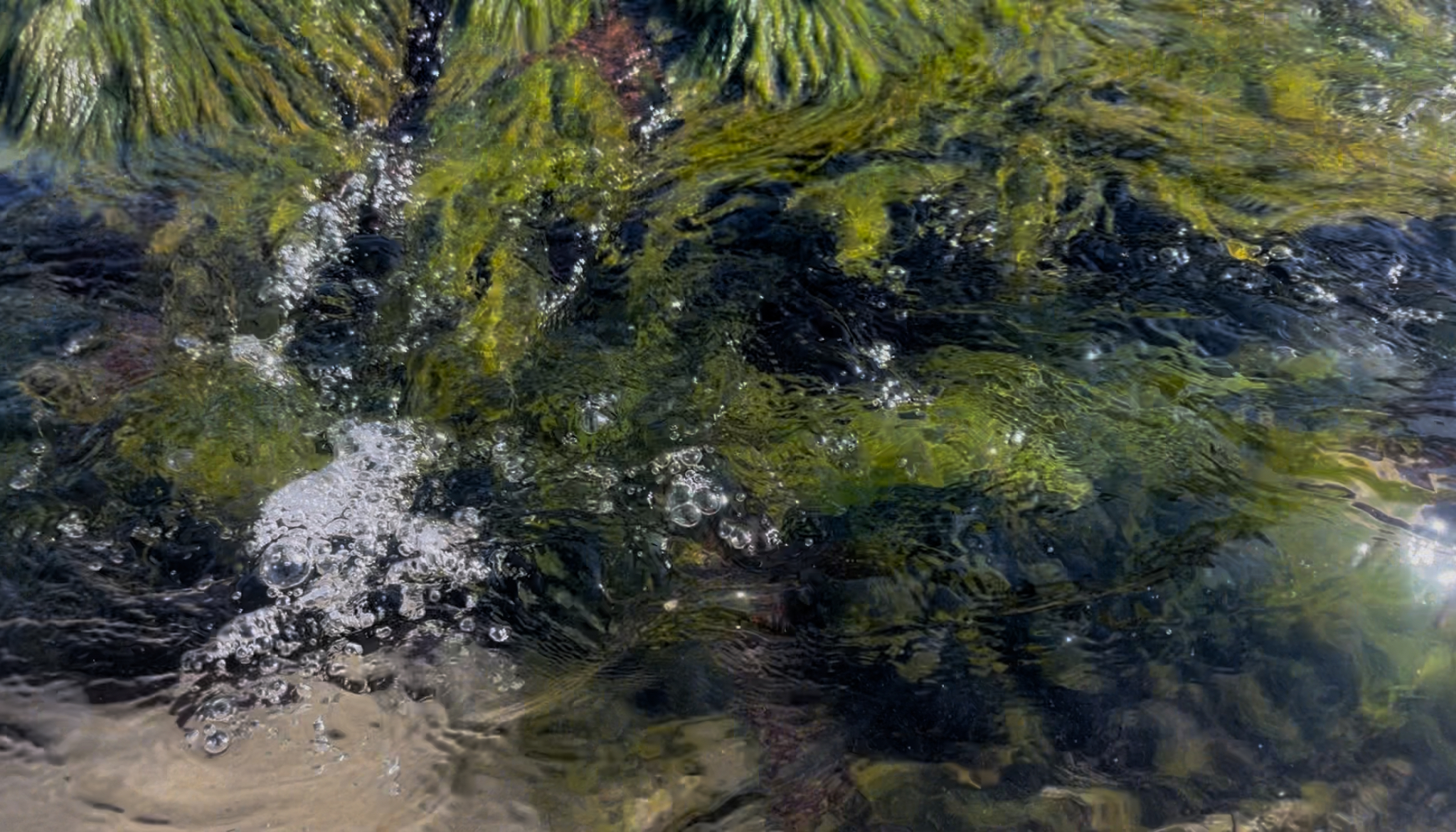
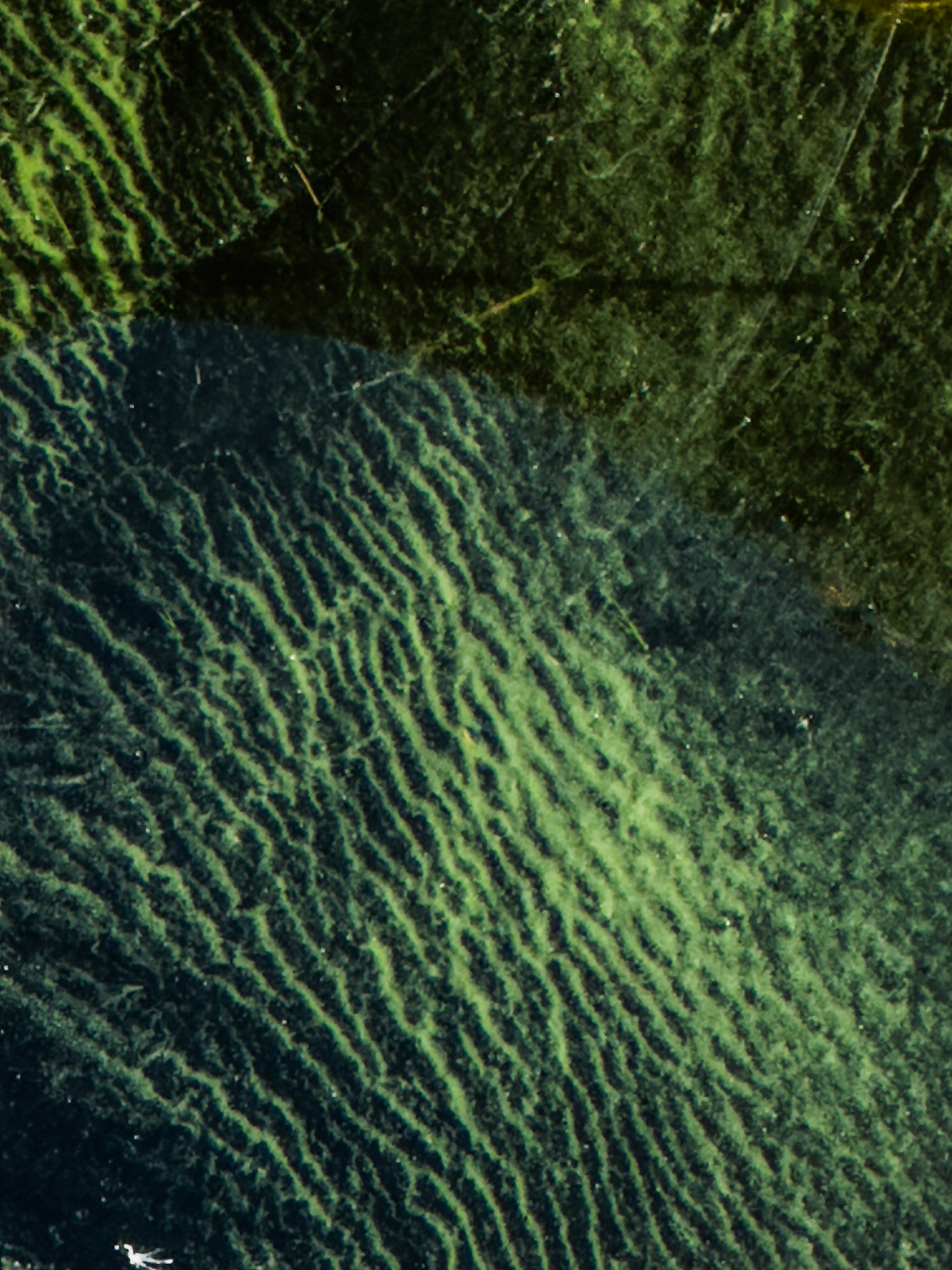
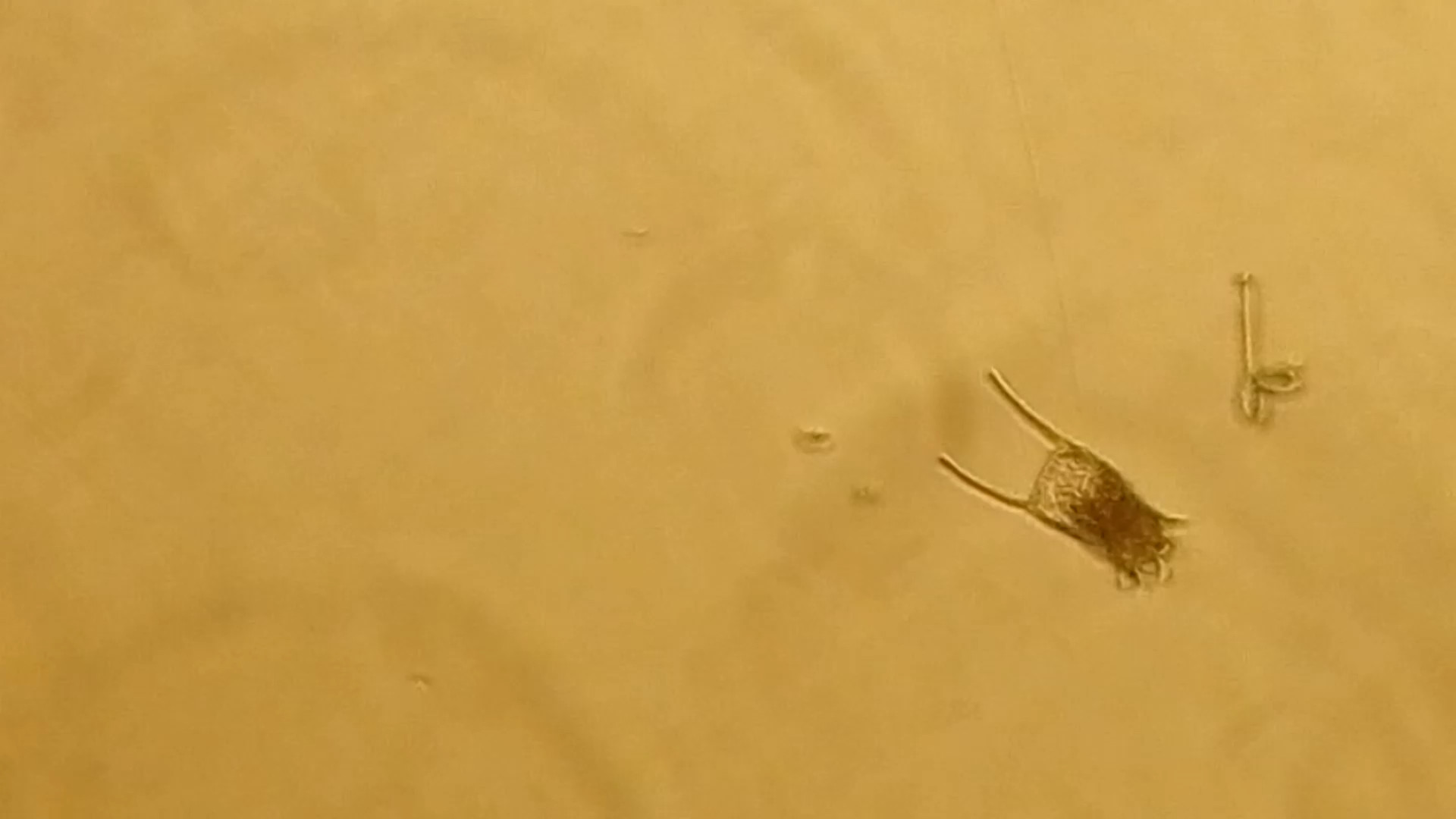
Photos: I. Silke Weißbach, 2026 II. Kruno Jošt, 2025 III. Kruno Jošt, 2025 
—where endings don’t conclude, 
they reconfigure

A gathering on Åland Islands
 27–30 September 2025

• Exhibition • Panel discussion • Sensorial Walk • Workshop •

Along the coast of Åland, DACE initiates a new research cycle in which artistic practice, marine science, and ecological wisdom move in the same current. We begin from a simple, yet complex and radical, question:how can we learn with the sea, not only about it?

The shoreline appears here not as a fixed boundary but as a shifting threshold where land and water continuously shape and reshape one another. Within this borderland, low-trophic species; algae, mussels, plankton, form the living foundation of the ecosystem. What becomes of our notions of nature, culture, and responsibility when we attune ourselves to the rhythm of seaweed, the tempo of the currents, and the memory of the tide?

The work fluctuates between myth and metrics, ritual and laboratory, body and technology, archive and improvisation, opening more nuances and possibilities for understanding the sea’s complexity and our own place in it. Together with Husö Biological Station and NIPÅ—the Nordic Institute on Åland, we bring sampling and species knowledge into conversation with choreography, image, and poetry: hydrophones listen beneath the surface, field notes become drawings, time series become movement. What kind of knowledge arises when sensory presence and scientific rigour carry one another? In this interplay, the sea appears as a co-actor: a place where species, materials, and technologies shape stories together.

At the same time, an ethic for our time is being tested. The Baltic Sea holds the memory of loss and the means to mend. Climate change, pollution, and loss of biodiversity are not only scientific questions but also cultural and existential. If we see the sea as part of our shared composition, what movements, currents, and commitments then follow? What might care, reciprocity, and justice look like, in practice and in policy?

We invite you to the shoreline: to converse, to listen, and to share. Here we experiment with art, science, and care can shape equitable and reciprocal relations with the sea, relations that are felt in bodies and influence how we act and are together. Join and take part where land and sea meet, at the shifting boundary where new questions can become action.

Welcome
Rickard Borgström & Rebecca Chentinell
DACE – Dance Art Critical Ecology

• Exhibition 
In the Shoreline at Kulturvillan (27–30.9)

• Panel discussion
What can science and art do for the Baltic Sea? at Mariehamn city library 27.9 

• Sensorial Walk
Sea Orientation along the shoreline of Lilla Holmen and at Tullarns äng 28.9

• Workshop 
The Sea as Relation, Practice and Field of Knowledge at Husö biological station 28–30.9

• More information
Free admission, information about the events can be found on NIPÅ – Nordic Institute on Åland’s website

Participating artists and scientist
• Kristin Bergaust • Fernanda Branco • Tamara Brito de Heer • Tony Cederberg • Kajsa Dahlberg • Amalia Fonfara • Cillia Hermann • Mikko Hyvönen • Inga Kuznecova • Kruno Jošt • Eeva Juutinen • Jessie Kleemann • Pipsa Lonka • Varste Mathæussen • Sara Rönnbäck • Katarina Skår Lisa • Daniel Slåttnes • Katja Syrjä • Carla Tapparo • Pella Thiel •  Under Ytan • Sinna Virtanen • Silke Weißbach • Tery Žeželj • Among others •


We warmly thank NIPÅ – the Nordic Institute on Åland – for believing in the project from the start, Husö Biological Station for collaboration and knowledge exchange, and the Guest Artist Residence in the Åland Archipelago. Our gratitude also goes to our local partners – Kulturvillan, Mariehamn City Library, ReGeneration Week, the Maritime Quarter, the Consulate General of Sweden in Mariehamn, Ålands Natur & Miljö, Åland Maritime Museum, and the Baltic Sea Foundation – as well as our colleagues in the Creative Europe–funded network Island Connect.

Finally, we thank the Nordic Culture Fund and Nordic Culture Point, whose support makes it possible to bring Baltic and Nordic actors together around art, research, and Baltic Sea issues.

Please scroll down for more information on our recent work 2019- 2025

To stay informed about our activities subscribe to our newsletter by following this link.

Havet som relation, praktik och kunskapsfält

OPEN CALL WORKSHOP

Workshop: The Sea as Relation, Practice, and Field of Knowledge

This workshop invites artists and researchers to a shared exploration of the sea as an ecological, mythological, and material field. Through different approaches – ranging from practical fieldwork to mythical imaginaries and posthumanist discourses – participants will have the opportunity to try out new ways of understanding, embodying, and relating to the Baltic Sea.

Workshop components

  • Attentive nature-awareness and mythical perspectives
    We carry out exercises that open body and mind to the sea as a living environment. Through guided practices and simple ritual acts, we direct attention toward the existential, mythological, and animistic dimensions of water and marine life forms.
  • Critical and artistic methods
    We explore how contemporary art can be rethought through new materialist and posthumanist theories. The focus is on how established boundaries between humans and the sea can be seen as porous, and how artistic methods can evolve to embody this interconnection.
  • Thresholds between psyche and nature
    We work with writing and performance-based exercises where the inner and outer landscapes mirror one another. Here, the sea becomes a site for both psychological projection and material resonance.
  • The body as water
    Through movement practices, we investigate the body’s relationship to sea and water, and how butoh-inspired processes can reflect the rhythms and wave-movements of the ocean.
  • Fieldwork and ecological knowledge
    Using marine biological methods, we carry out practical exercises such as collecting water or seaweed samples, followed by laboratory analysis. Here, participants are introduced to fundamental questions and methods of ecological marine research, opening spaces where scientific and artistic perspectives meet.

Purpose
The workshop creates a platform for artists and researchers to share methods, languages, and perspectives. By moving between mythology, body, art, and science, we open pathways to new understandings of the sea – not merely as a resource or research object, but as a relation and a co-actor.

Language

Scandinavian/English

Workshop facilitators:
DACE / Rickard Borgström & Rebecca Chentinell

Tony Cederberg

Amalia Fonfara

Jessie Kleemann

Katarina Skår Lisa

and others.

´

Field Notes & Weather Reports ° ° DACE Summer Dispatch 2025

Weather Report (Bornholm) 
New Work in Development
August
BIRCA – Bækkelund International Residency
Center for Artists

In August 2025, Bornholm becomes our collaborator, an island with granite cliffs that tell geological tales, while the Baltic tides carry memories, and mythic narratives intertwine with the urgency of ecological transformation. Together with BIRCA and Bornholms Kulturuge, our artistic research embarks on crafting a site-responsive performance, set to be shared in 2027.

Rooted in a tentacular approach, our research practice integrates diverse strands: historical explorations, ecological studies, marine biology, and local folklore, into a multidimensional choreography and exhibition-making.

We will engage closely with the island’s coastal landscape and historical archives, uncovering resonances between artistic representations, scientific discoveries, and community narratives. Collaborating with marine experts and immersing ourselves in Bornholm’s sacred and scarred sites, we will look more closely into the island’s ecological precarity and resilience.

Through field studies and ​an informal public sharing, we invite local residents, historians, scientists, and artists to join our process​.

Ultimately, this project seeks not merely to perform but to create a shared imaginative space, a dynamic intersection of art, science, and local knowledge, that reconfigures how we understand and respond to the environmental futures of Bornholm and the Baltic Sea.

Body as Earth
Workshop
13 June, 10.00-12.00
Junifestival, MDF, Eskilstuna, Sweden

This immersive workshop explores the interconnection between the human body and the Earth through movement, sound, and imaginative inquiry. Drawing from eco-psychology, quantum biology, and Eco-Somatic practices Body as Earth invites participants to embody the living processes of the planet.

By tuning into the rhythms of forests, oceans, and mountains, we cultivate eco-sensitivity through the body, shifting from solely an intellectual understanding of the ecological crisis to a felt, embodied experience. This shift opens new pathways for relating to nature, not as something external, but as something we are intrinsically part of.

Open to all curious movers, no prior experience required, the workshop offers a space to explore the body as a vessel of ecological knowledge. Participants are invited to engage somatically, activating the often-overlooked wisdom embedded in their physical being.

In a culture often dominated by rational thinking, this practice invites us to reclaim the body as a site of empathy, presence, and connection. By dissolving the binaries that separate humans from nature, Body as Earth nurtures a sense of responsibility, care, and kinship with our endangered planet. 

Le Sacre du Printemps (Tandvärkstallen)
Film Screening and Talk
14 June, 19:30- 20:30
Junifestival, MDF, Eskilstuna, Sweden

Le Sacre du Printemps (Tandvärkstallen) brings us to the very heart of an encounter between humans and trees in the nature forest of Högsveden in Dalarna (Sweden). Through a playful exploration of movement, the dancers seek to create an eco-sexual dance in which both humans and pine trees are regarded equally, as dancing bodies. They discover that by bringing their heads to the roots of the trees, they become more grounded, more upright like the trees themselves. In this position, they rely less on sight. Instead, smell and touch begin to guide them.

Video, performance, and visual artist, Zheng Bo advocates for the coexistence of humans and plants. They specifically explore the erotic possibilities between queer individuals and plants, allowing imaginative thinking to lead toward what they envision as a post-human dynamism. Through an ecologically and socially engaged practice, they forge an alternative path that emphasizes a non-anthropocentric worldview and strives to establish interconnection among all living beings.

Le Sacre du Printemps (Tandvärkstallen) was premiered and presented at the 59th Venice Biennale 2022. A conversation with DACE / Rickard Borgström and Rebecca Chentinell will follow the film screening.

Eco-sensitivity:
Zheng Bo

Production and eco-facilitation:
DACE – Dance Art Critical Ecology / Rickard Borgström and Rebecca Chentinell

Dancers:
Paolo de Venecia Gile, Andreas Haglund, Mikko Hyvönen, Adriano Wilfert Jensen, and Ossi Niskala

Cinematographer:
Adam Nilsson

Post-production:
Wu Ping-Chung

Support:
Hong Kong Arts Development Council, DACE – Dance Art Critical Ecology, Finnish Cultural Foundation, Frame, Swedish Arts Council, Swedish Arts Grants Committee, Nordic Culture Fund, Nordic Culture Point, Färgfabriken, Stockholm university of the arts

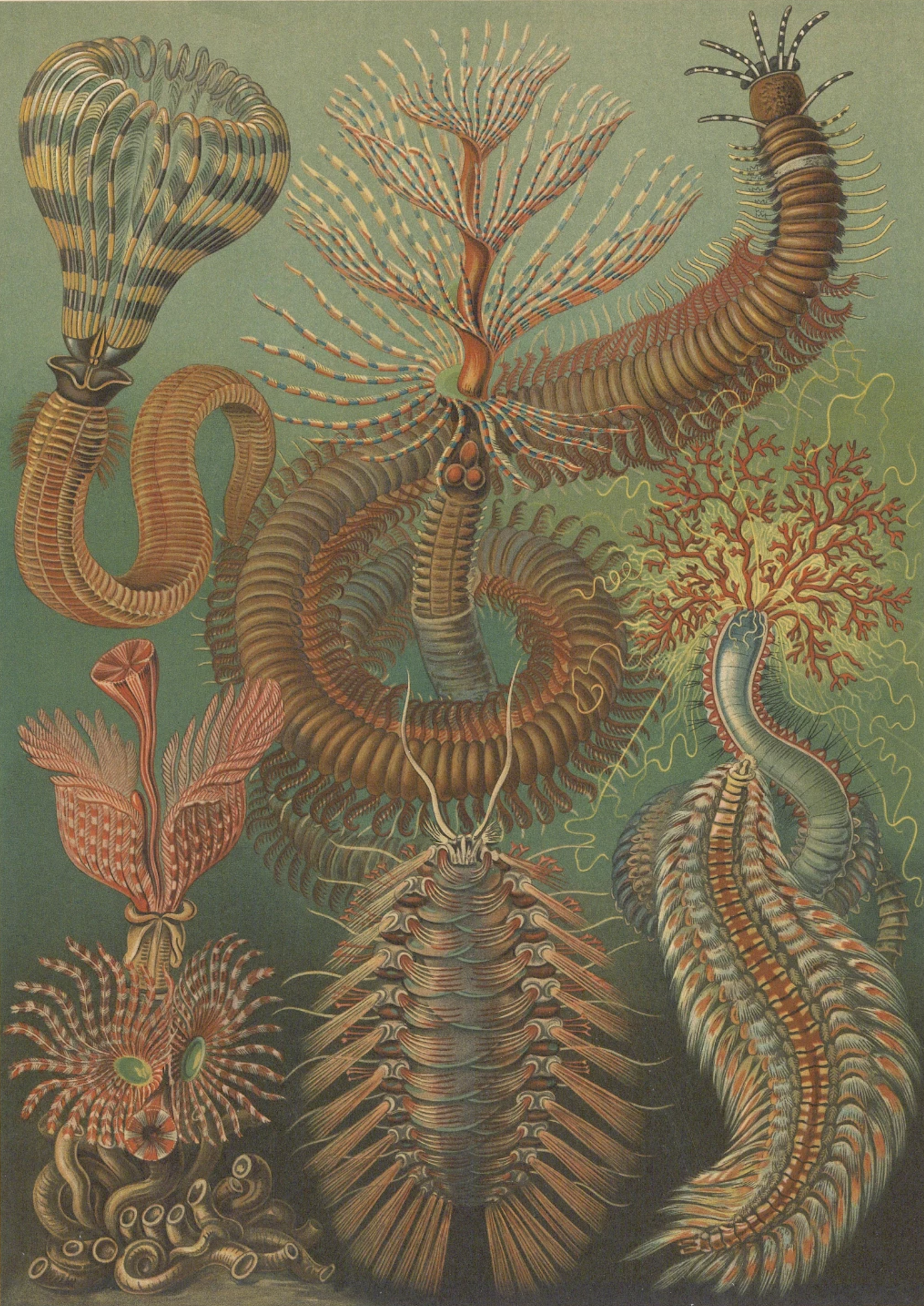
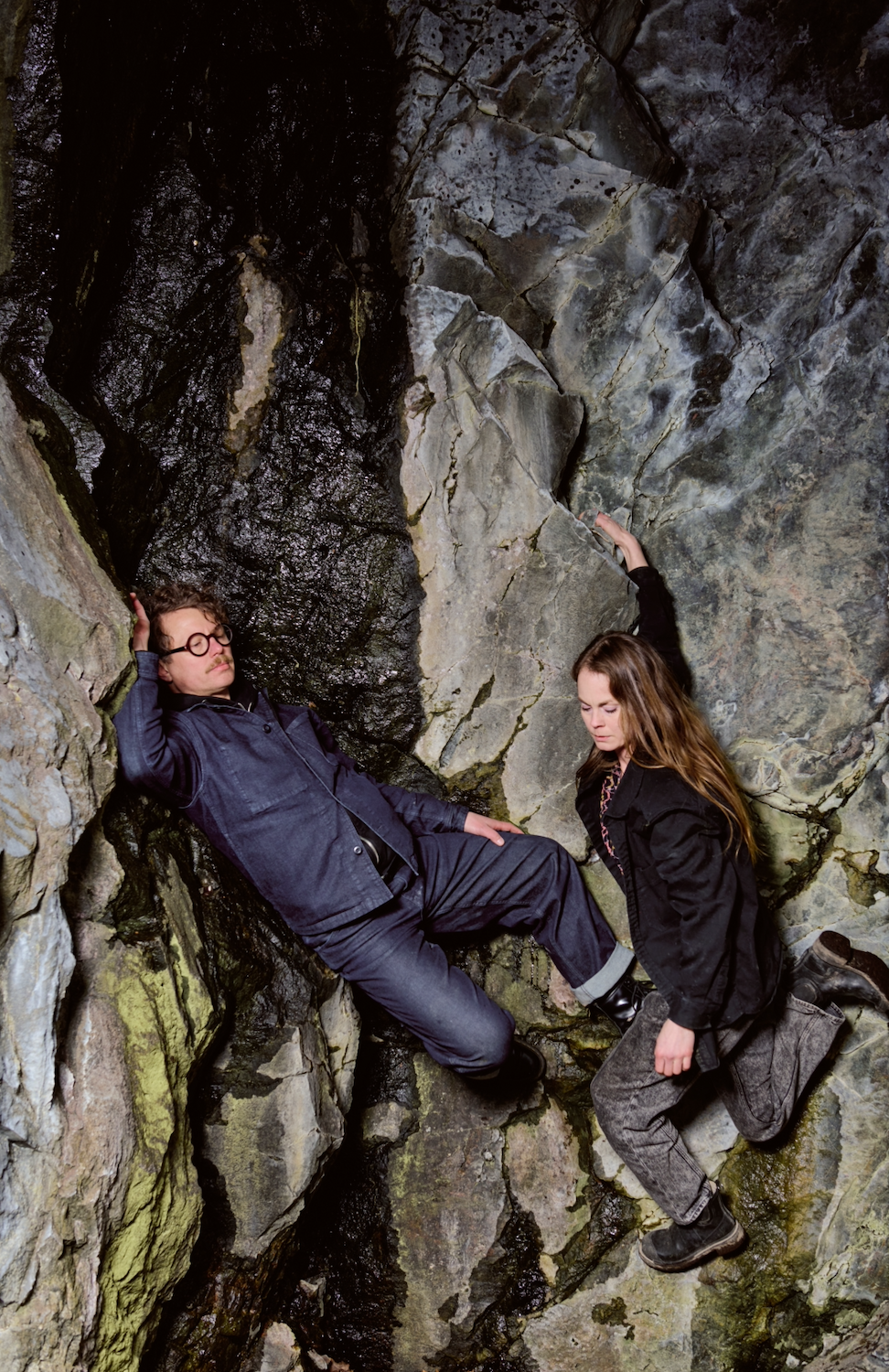
I. A depiction of invertebrates by German biologist Ernst Haeckel, published as lithographic and halftone prints in Art Forms in Nature (1899). II. Peter Rosvik, Bergsspråk. III. Adam Nilsson, still from Le Sacre du printemps (Tandvärkstallen), Zheng Bo, 2021/22 

A Wonderful World Premiere of Le Sacre du Printemps (Nuuksio) by Zheng Bo in Nuuksio forest, Finland

Multispecies Rites
An invitation to Zheng Bo’s
Dance Performance & Dance Films  23-25 MAY at Nuuksio Forest & KIASMA Theatre, Helsinki

After 4.5 billion years of Earth’s existence, something began to happen: ancient plants found new partners. The much younger human species started to dance with them, drawn to their longevity, tradition, and wisdom. Zheng Bo’s artistic practice invites us to reconsider plants, not merely as objects, resources, or scenery, but as partners in movement and relationship. Drawing on Daoist philosophy, biology, botany, and traditional knowledge within a posthumanist field, Zheng has, since 2016, evolved a practice that explores eco-sexuality and cultivates eco-sensitivity. The work moves between physical intimacy and forms of presence grounded in listening, respect, and attentiveness across different biotopes and socio-cultural contexts.

In collaboration with Kiasma Theatre, Zheng Bo and DACE – Dance Art Critical Ecology present the World Premiere of a new dance performance in the protected forest of Nuuksio.

Le Sacre du printemps (Nuuksio), Dance Performance (2025)

In the northern part of Nuuksio nature forest, Finland, Zheng Bo presents a ritual dance among local needle- and leaf-bearing trees, some over three centuries old. Dancers invert themselves to align closely with these long-lived companions, guided by smell and touch rather than sight. It is an act of listening and shared presence, cultivating a slower kind of intimacy rooted in time and care.

At the heart of this evolving practice lies a question: What if the real crisis is not just environmental, but relational? Instead of trying to solve ecological problems in isolation, Zheng’s work reminds us to engage with other beings, human and more-than-human, not as resources to manage, but as companions in reshaping our future.

How might we foster kinship with the living world around us? Zheng Bo’s practice quietly urges us toward deeper ecological awareness and meaningful kinship with the living world, a practice matured into a refined call for coexistence, vulnerability, and attention.

Phoenix (2024) Among date‑palm groves near Dubai, the interwoven rhythms of human labour and plant life come to the fore. Farmers from Pakistan share their stories through gesture and playful choreography, revealing the entanglements of migration, climate change, and ecological interdependence.

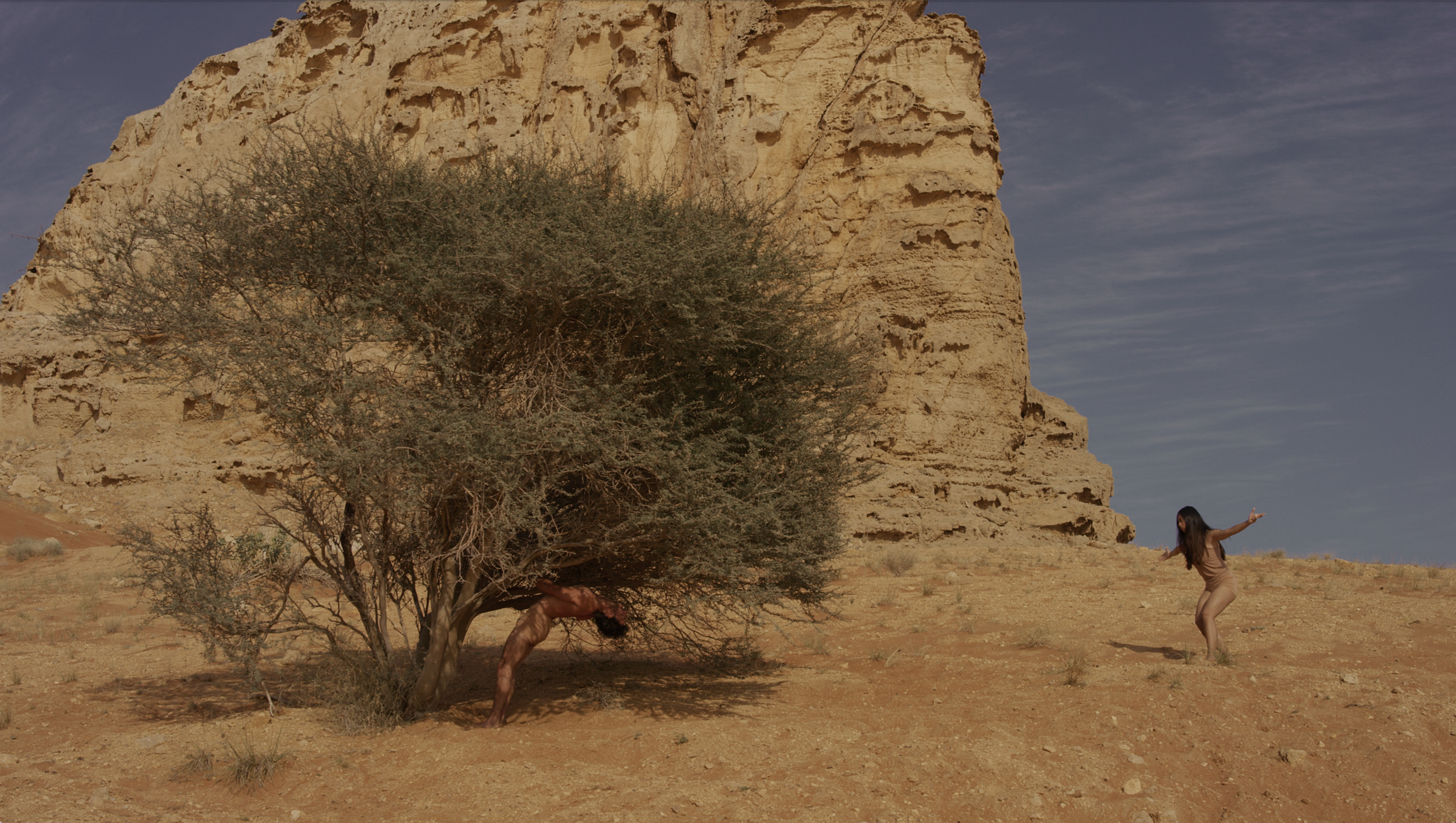
Samur (2023) In the arid Mleiha desert of the United Arab Emirates, a collaboration with dancers centres on the umbrella‑thorn acacia, a species that endures extreme heat and drought. This resilient being offers insights into adaptation and survival. The question lingers: are we ready to learn?

Pteridophilia I (2016) In Taiwan, Zheng Bo began exploring bodily intimacy with ferns — one of Earth’s most ancient plant lineages, which reproduce through spores, bypassing seeds, gender binaries, and conventional forms of kinship. Guided by the subtle intelligence of ferns and a curiosity about how their vegetal presence might evoke movements of intimacy within the human body, local performers engaged in embodied encounters that queered normative human – plant relations and brought to light forms of knowledge long silenced by colonial structures.

Credits: Le Sacre du printemps (Nuuksio), 2025 Dance Performance Zheng Bo            Dancers: Victor Pérez Armero, Rebecca Chentinell, Mikko Hyvönen, Ossi Niskala, the plants of Nuuksio
Eco-Sensitivity: Zheng Bo
Eco-Facilitation: DACE – Dance Art Critical Ecology / Rickard Borgström & Rebecca Chentinell
Introduction to Northern Forest Ecology: Aino Mielikki Maa
Documentation: Rita Anttila
Production: DACE – Dance Art Critical Ecology
Co-Production: Kiasma Theatre
Support: Hong Kong Arts Development Council

Phoenix, 2024 Video, 14:03 min Zheng Bo Commissioned by Lahore Biennale Of Mountains and Seas.

Samur, 2023 Video, 21:23 min Zheng Bo. Commissioned by Jameel Arts Centre.

Pteridophilia 1, 2016 Video, 17:02 min Zheng Bo. Supported by Liverpool Biennial 2021, Kyoto City University of Arts Art Gallery, the 11th Taipei Biennial, Villa Vassilieff and Pernod Ricard Fellowship, and The Cube Project Space.