Performing Ecologies: Exploring Choreographic Lamenting with Nature, spring- fall 2024

Spring- fall 2024

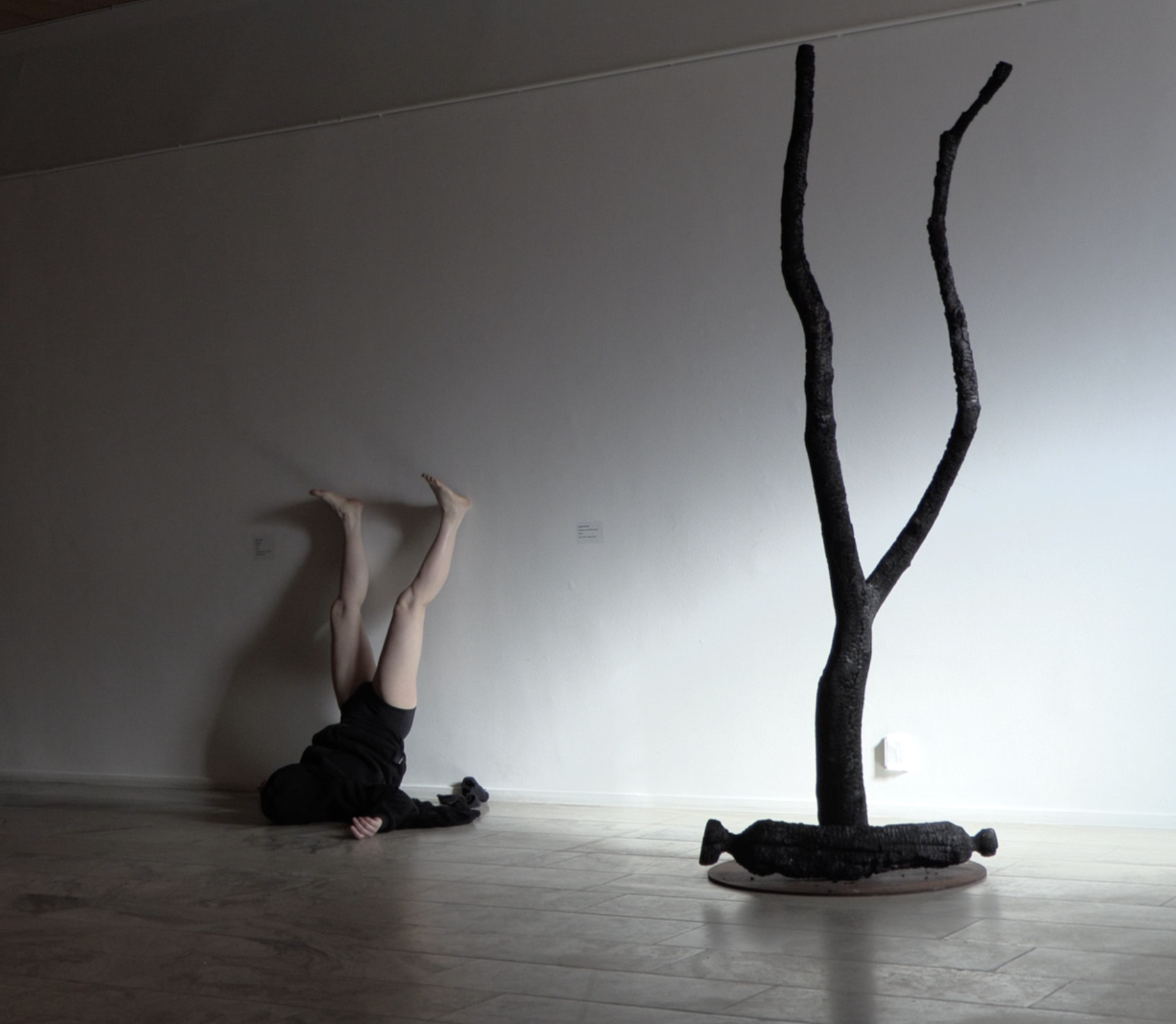
This practice research unfolds a choreographic lamenting practice, that depart from the Karelian ritual wailing techniques, with a particular focus on attunement towards plant-life in the biotope of the nature forest Ekeby west of Stockholm, as means to explore its eco-critical potential in the performance situation, on site and in the black box, in the context of our current planetarian circumstances that could be characterized as a catastrophe.

To conceptualize the choreographic lamenting practice in more-than-human milieus the theoretical framework departs from new materialism. It is concerned with a processual understanding of the ecology and the vitality of matter. The performative theory of new materialism opens up for possible less human- centered and non-dualistic approaches in a shared more-than-human practice. Intertwined with performing arts discourse enables me to reapproach choreography as a shared activity, entangled with a variety of bodies, and to discuss the possibilities and limitations of such reconfiguration. Furthermore, the research draws from ecological science, botany, indigenous wisdom, and Karelian lamenting traditions to deepen the knowledge of plant life and the more-than-human world, in order to device and refine choreographic processes and methods that are responsive to the agencies of plants within the ecological system.

The eco-critical perspective affirms the choreographic lamenting practice as part of a more-than-human world, where the eco-critical potential in the performance situation are two folded: It critically examine human-centric conventions and habits in relation to the environment and how they are embedded in the artistic practice. Secondly it offers forms of sensuous experiences and processes that makes one aware of the interconnectedness and co-existence of human and more-than-human in dynamic unforeseen states.

The research proposes live embodied acts that stimulate ecological awareness for humans, that they are only parts of an entangled ecology, and they live as participants of, rather than the dominant figures within, the ecological system of Earth.

The initiation of the research took place in 2019 in conjunction with the comission of a lament performance byTuulia Talventytär,  for the occasion of the opening of hypoderm, the inauguration show of Pesula Galleria in Sibbo, Finland curated by myself.  

Fellow- researchers: Dancer and Choreographer Rebecca Chentinell, Dancer and Choreographer Mikko Hyvönen, Birch, Pine, Spurce, Juniper, Moss, Lichen, Air, Earth, Fire and Water in the nature forest of Ekeby Supervisor: Dr Mariella Greil- Möbius External mentors: Choreographer Rósa Ómarsdóttir, Dr Sandra Reeve Dialouge partners: Professor Emeritus Knut Ove Arntzen, Professor Emerita Venke Aure, Leontine Broekhuizen & Rijk Willemse, Sculptor Niels Van Bunningen, Biologist and Professor Annie Desrochers, Landscape Ecologist Douwe H Joustra, Voice and Performance Artist Ralf Peters, Biologist Karl-Joel Sundholm, Itkijä and Lamenter Tuulia Talventytär, Artistic Director Ingrid Vranken, Artist and Associate Professor Zheng Bo Public invitations: 11th of May Gula Villan Järna SE, 16th of May Artez Arnhem NL, 12th of October Regional Dance Center Vasa FI.

Limited seats, mail rickard@dace.nu to reserve.
Opening Night

The Gardener

9th of December

Göteborgs Konsthall, Sweden

Opening Night The Gardener
9.12.23
Every Saturday until 14.4.24
Göteborgs Konsthall, Sweden 

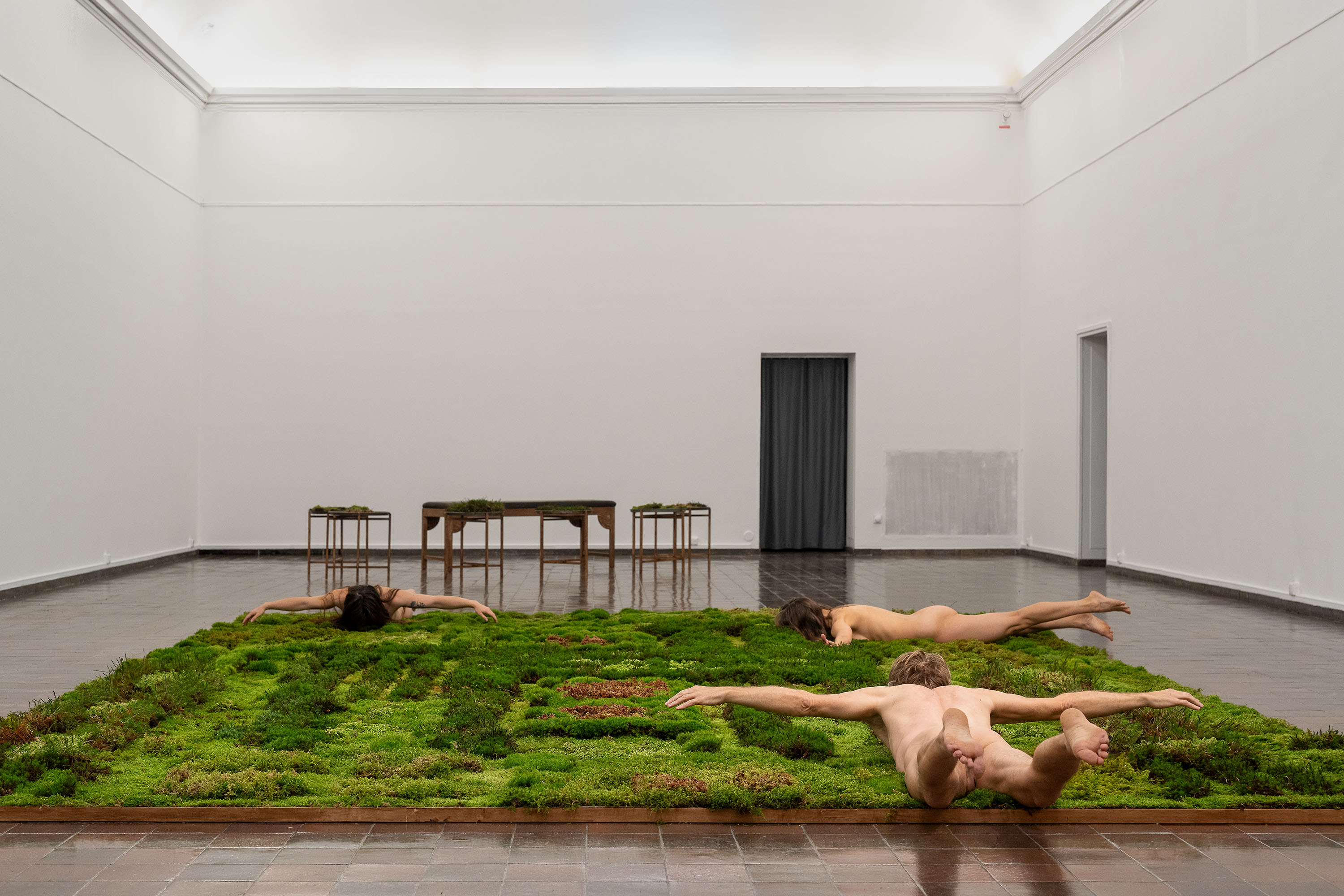
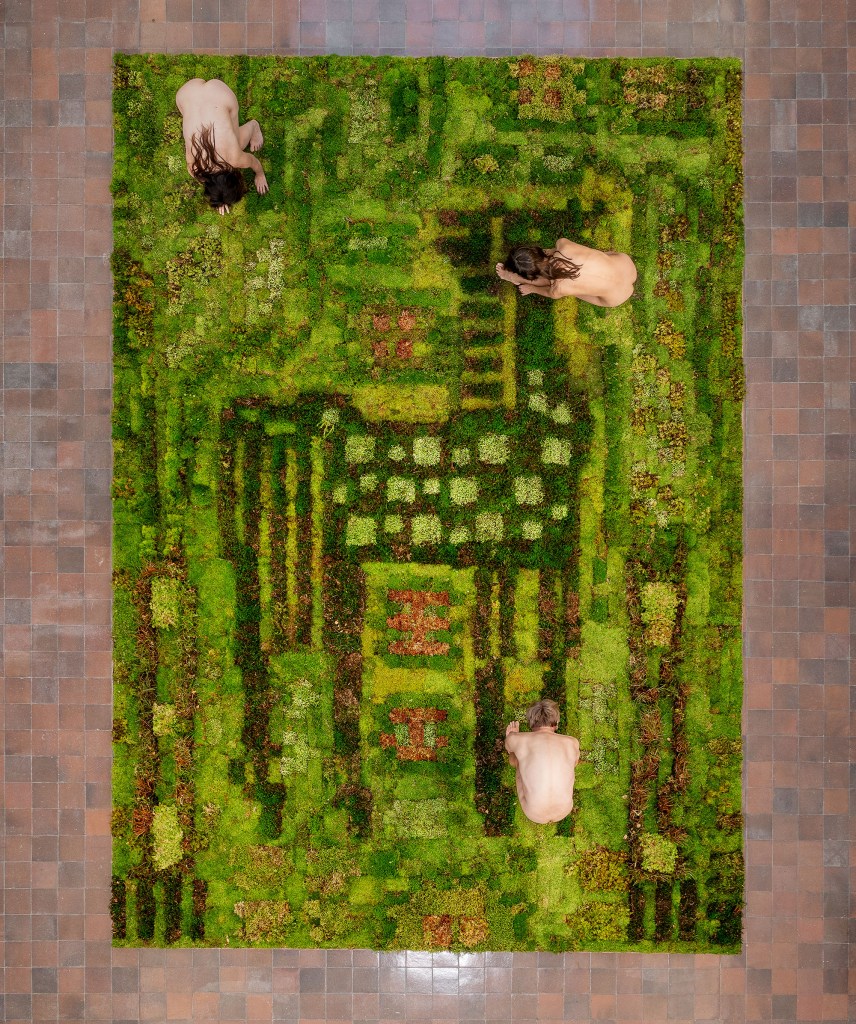
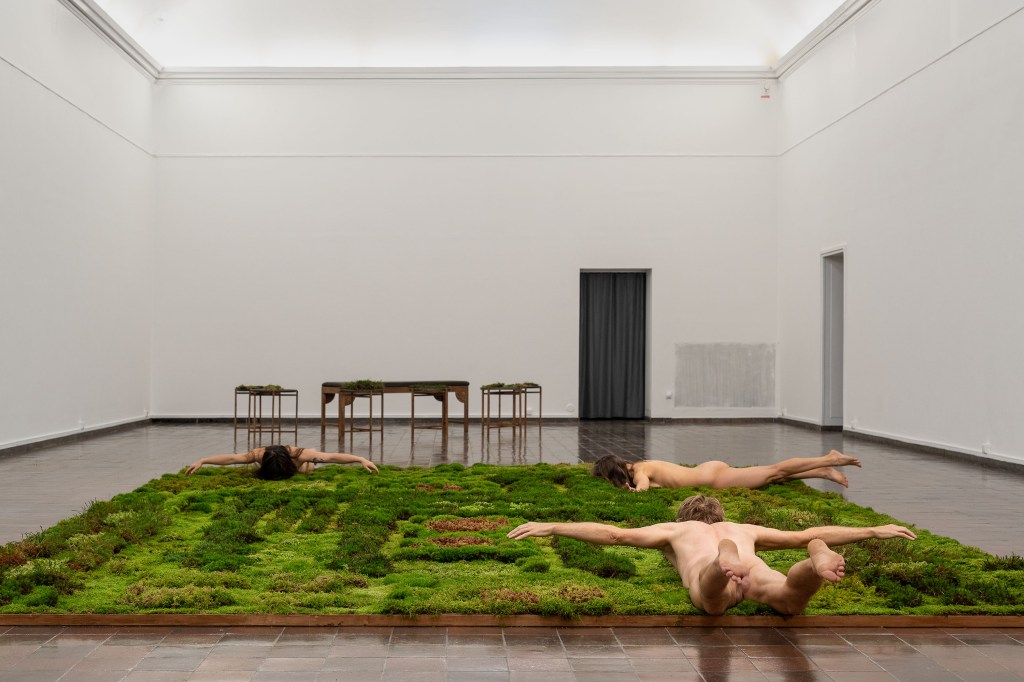
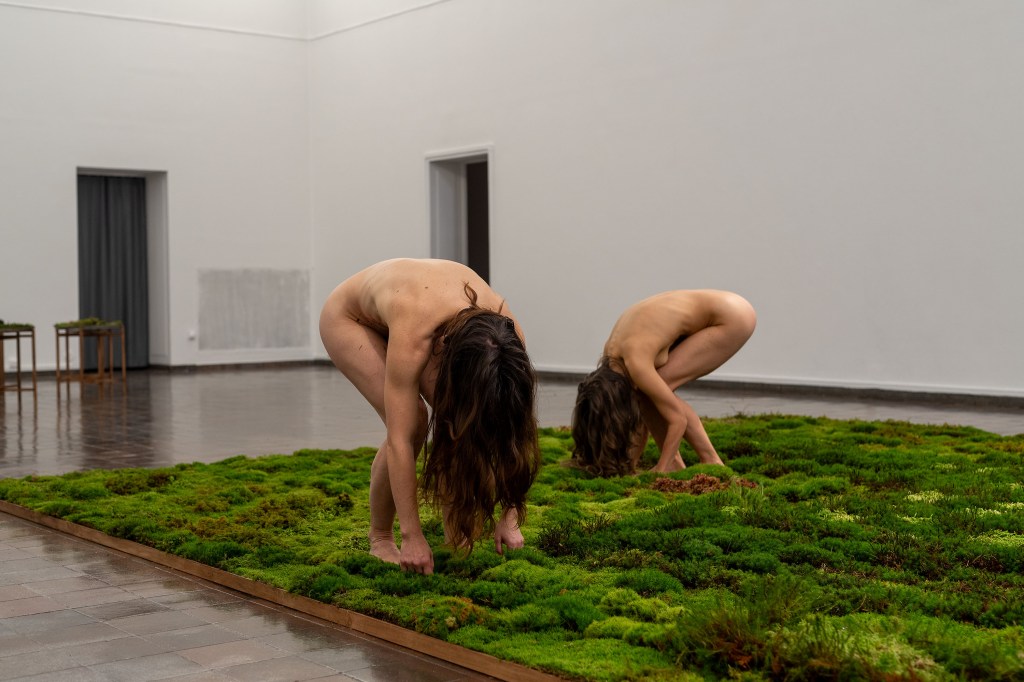
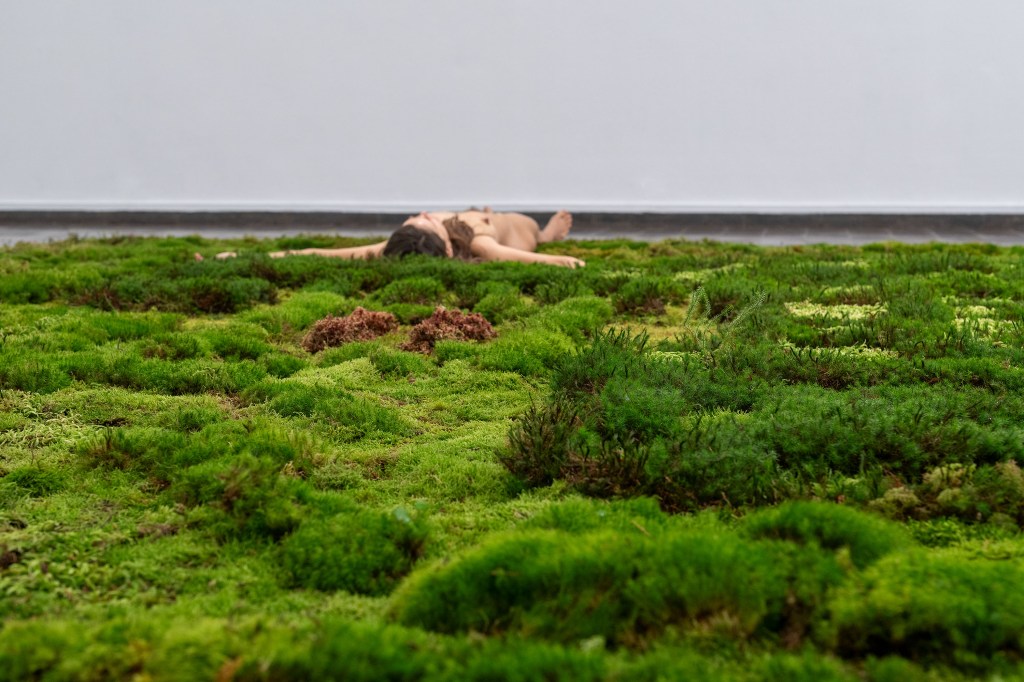
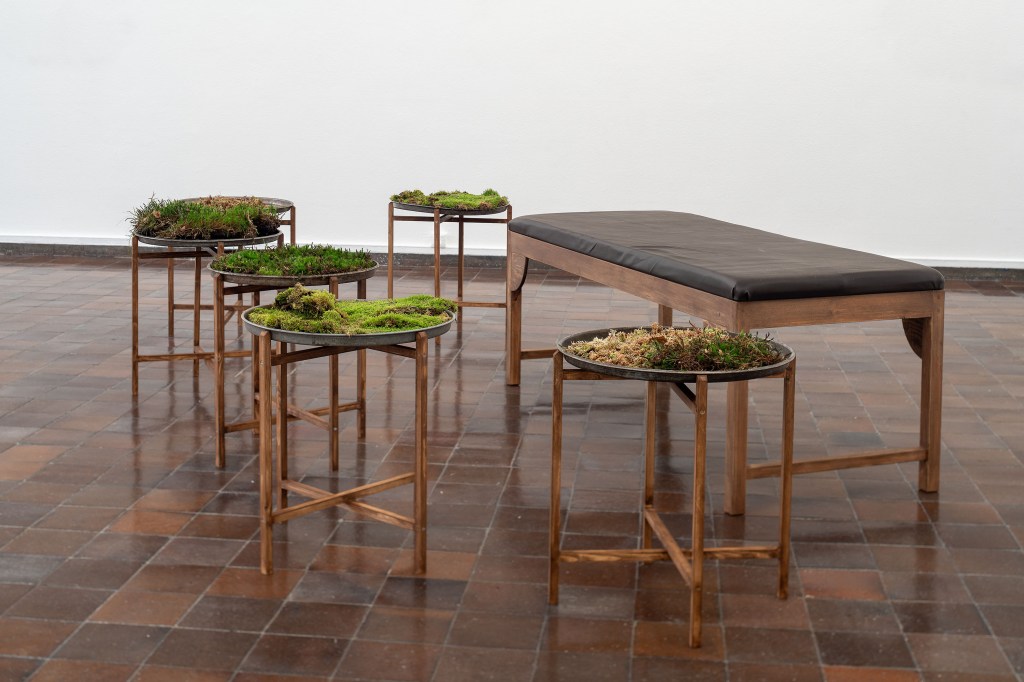
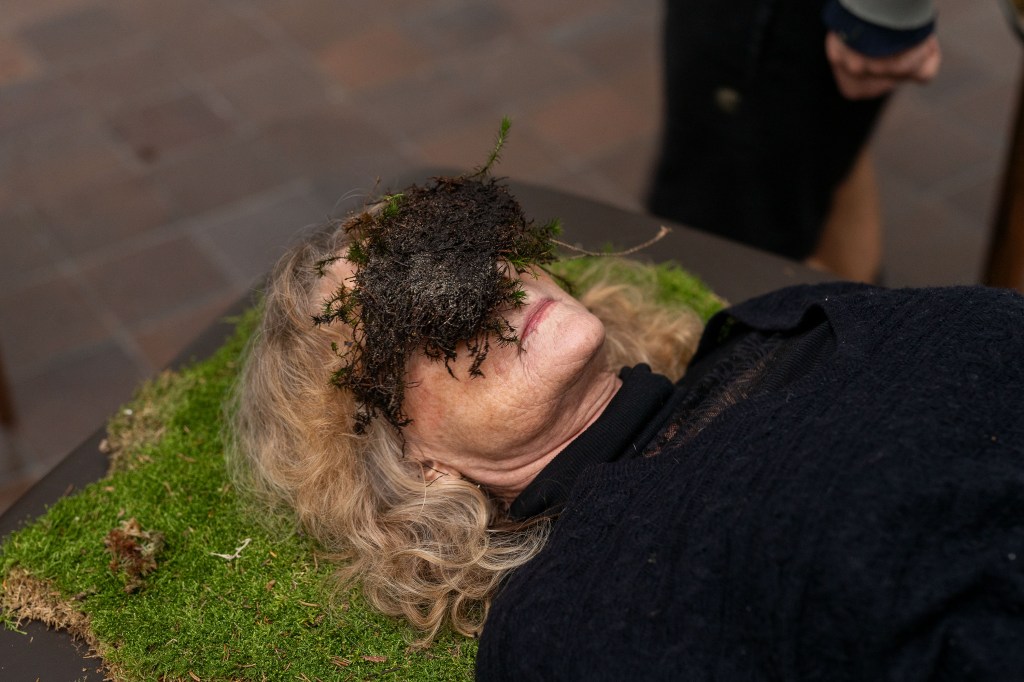
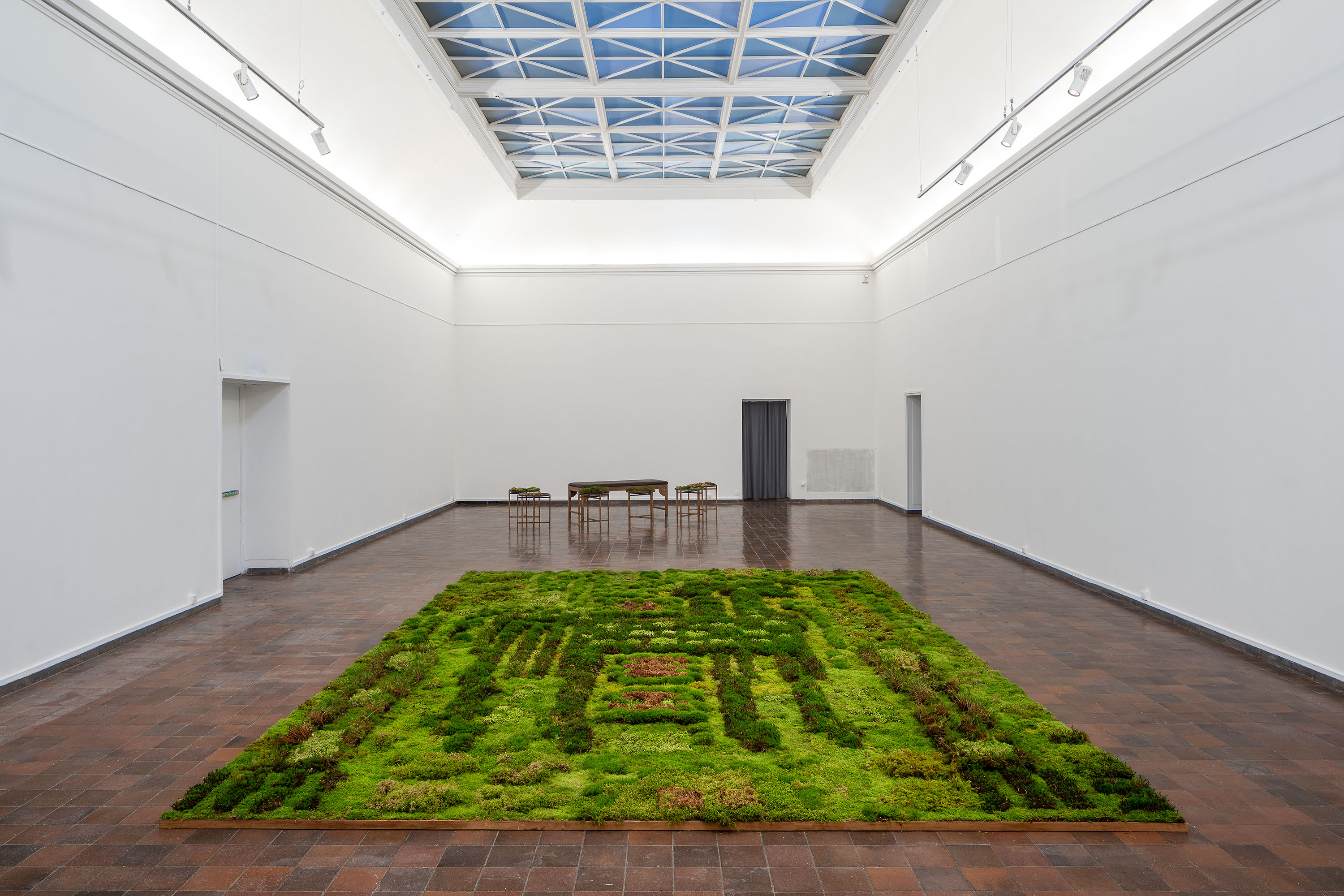
With inspiration from the Eastern Gardens, dance performance and eco-sensitive practice The Gardener functions as a character with care for the moss and the visitor.

Every Saturday throughout the exhibition perioder, a dancer will be present in the art gallery in the role of The Gardener.

The Gardener is a role and practice that DACE, Zheng Bo and invited dancers developed together with Göterborgs Konsthall, specifically for the exhibition The Pleasure of Slowness.

Through The Gardener, encounters between moss and humans are explored, where the visitors’ are offered to meet the moss in unexpected ways and where the moss approach them.

No registration is required. Free entrance.  

PRODUCTION
Göterborgs Konsthall

Ecosensibility: Zheng Bo
Eco-facilitation: DACE – Dance Art Critical Ecology
Rickard Borgström & Rebecca Chentinell
The Gardener: Ina Dokmo, Ossi Niskala, Ingeborg Zachariassen          Photos Hendrik Zeitler courtesy Göteborgs Konsthall

More info here.

Liasions- Research residency
L’Écart, Rouyn-Noranda Quebec, Canada

Liasions
Research residency

21.10 – 1.11 
28.10 Public presentation
Season 2023- 2024
At L’Écart Rouyn-Noranda, Quebec, Canada

On what frequencies are plants perceiving and sensing sound? How do they respond to the abiotic and biotic sources? ​With a speculative approach that draws from bioacoustics and lamenting​ we explore the sound emission of plants and their responsiveness to sound​ through the frequencies, vibrations of breathing, sounding, touching and voicing (amplified with ancient technology).

The bodily techniques aim to enhance sonorous porous relationality between human and non-human bodies through sound, in order to be with ecology otherwise.

In collaboration with Professor Annie Desrochers of the University of Québec at Abitibi-Témiscamingue we conduct field research in the critical zone of the Amos Lowlands Ecological Region in northwestern Quebec. With repeated sensory attention to the plants of the forest we explore temporary aggregations of relationships through (sensing) touching and listning. The sounds revelas the things that are hidden from our vision, as the vibratory energy of the forest comes around barries and through the ground. Through sound, we come to know the ecology of Amos.  

On the 28th of October we make a performative presentation of our research during our short residency. We also introduce our co-joint research with artist Zheng Bo on eco-sensitivity and make an exclusive screening of the dance film Le Sacre du printemps (Tandvärkstallen) 2021/2022

PRODUCTION
L’Écart

SUPPORT
Svenska Kulturfonden, CALQ- Conseil des arts et des lettres du Québec

On view

Le Sacre du printemps (Tandvärkstallen)

Musée d’art de Joliette, Quebec, Canada

Installation photo from Arsenale Le Sacre du printemps (Tandvärkstallen) at the 59th International Art Exhibition of La Biennale di Venezia The Milk of Dreams

Le Sacre du printemps (Tandvärkstallen) 2021/2022
Zheng Bo 鄭波
On view 30.9.23 – 14.1.24
at Musée d’art de Joliette, Quebec, Canada
Part of the exhibition Biophilia
Curators: Marianne Cloutier and Anne-Marie St-Jean Aubre

To be part of the world: this expression, which is also the title of an important book on ecofeminism [Faire partie du monde : réflexions écoféministes], supports the notion that to stop destroying the planet, we must first break the ideology of domination underlying our societies: domination over individuals, domination over people and territories, domination over nature and what we consider “inferior” forms of life. This involves examining and undoing the power relations and inequalities that arise when it comes to environmental issues. Because although we all, to varying degrees, have a role to play in this, our ability to act in the context of this crisis is far from equal.

The works presented here explore the ways in which we come in contact with nature from the specific angle of desire, with all of its ambivalence and contradictions. How do we reconcile our yearning to know and discover, to grow and enrich ourselves and our quest for ever-increasing physical and material comforts, with the restraint that, from now on, must be at the centre of our concerns? How can we undo the complex entanglement of land and resource exploitation and appropriation our post-industrial and post-colonial societies still rely on? These works address the limits of regeneration and fertility, but also the intrinsic strength of living beings and their transformative capabilities.

– Marianne Cloutier and Anne-Marie St-Jean Aubre

Le Sacre du printemps (Tandvärsktallen)
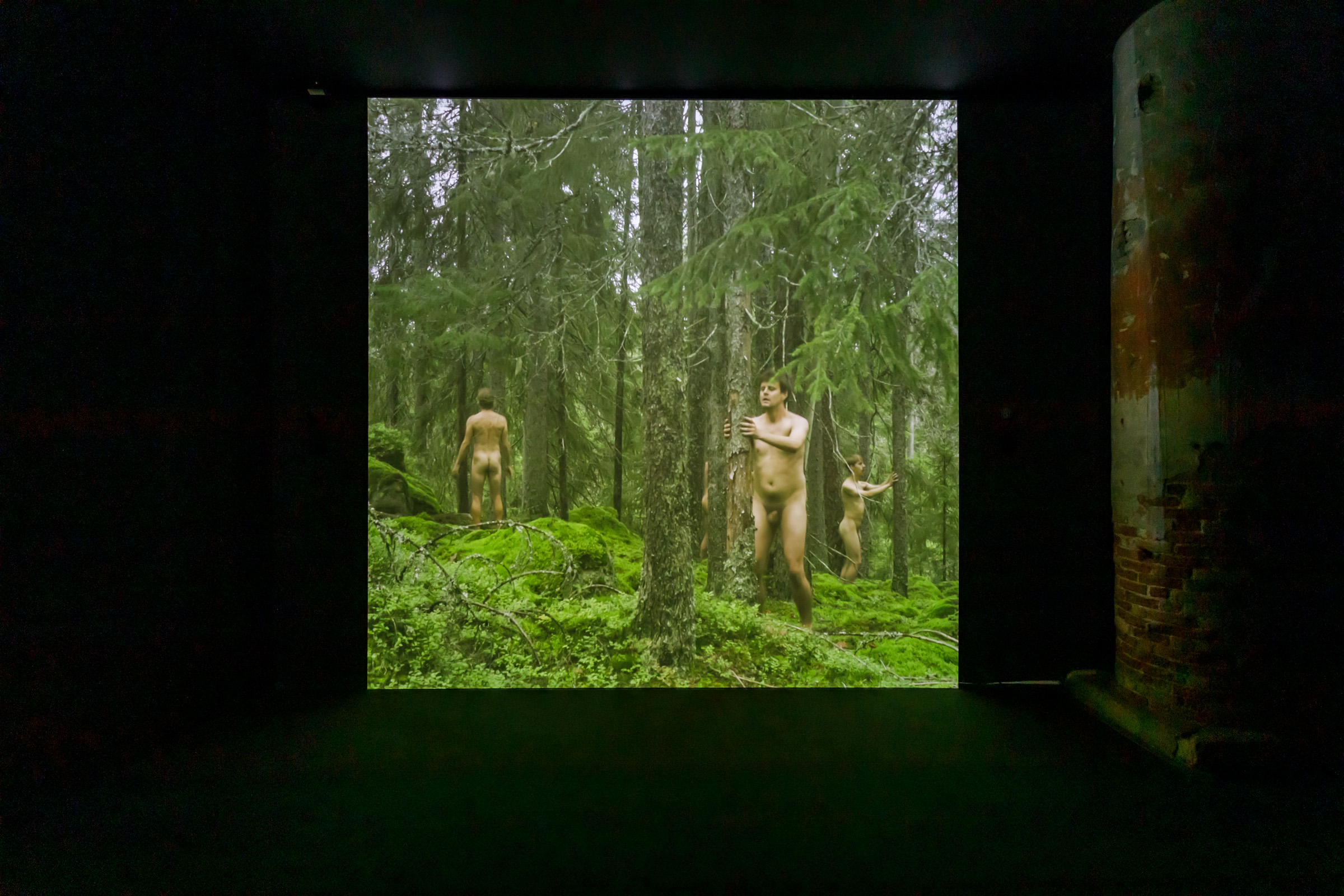
Zheng Bo seeks to cultivate eco-sensitive relationships between human beings and beings of the plant world. The first iteration of Le Sacre du printemps was a search to find forms of movement for a kind of eco-sexual dance, where humans like pine trees were considered dancing bodies. It posed a great challenge even to imagine what such a dance would look like;The pine trees are more than 20 meters tall and between 60 and 300 years old, much bigger and older than the human dancers. 

I wish to explore that which don’t revolve around humans, but rather focus on the other living world. In this case the realm of the forest. Is it possible to interact with it and not have the human in the center?

– Zheng Bo

Ecosensibility: Zheng Bo
Eco-facilitation, artistic development, production:
DACE – Dance Art Critical Ecology
Rickard Borgström & Rebecca Chentinell
Dancers: Paolo de Venecia Gile, Andreas Haglund, Mikko Hyvönen, Adriano Wilfert Jensen, and Ossi Niskala Cinematographer: Adam Nilsson
Postproduction: Wu Ping-Chung

* The first part took shape as video installation; An Eco-Sexual Dance in Högsveden Nature forest, that was exhibited in Symbiosis – Erotics curated by DACE – Rickard Borgström & Rebecca Chentinell at Färgfabriken fall 2021, followed by the world premier of the dance/film; Le Sacre du printemps (Tandvärkstallen) at the 59th International Art Exhibition of La Biennale di Venezia The Milk of Dreams

Production: DACE- Dance Art Critical Ecology

Support: DACE – Dance Art Critical Ecology, 香港藝術發展局 Hong Kong Arts Development Council (HKADC), Suomen Kulttuurirahasto, Frame Contemporary Art Finland, Kulturrådet, Konstnärsnämnden, Nordisk Kulturfond, Nordisk kulturkontakt, Färgfabriken and Stockholms konstnärliga högskola

EKODRAMATURGI — ECODRAMATURGY

Välkommen till ett minisymposium om scenkonst, klimat och ekologi – arrangerat av ArtForest/Södertörns högskola och Strindbergs Intima Teater!

Welcome to a minisymposium about performing arts, climate and ecology 

– arranged by ArtForest/Södertörns högskola and Strindbergs Intima Teater! 

Ecosomatic performance within the frame of the exhibition Hämärän maa – Nattens ekologi at Rovaniemi art museum 2023.

Time: Wednesday 13 September, 18–21.30 

Place: Strindbergs Intima Teater, Norra Bantorget (Barnhusgatan 20)  

ECODRAMATURGY 

What are performance arts practitioners and researchers doing for the climate? 

Theater has traditionally helped us think about inter-human relationships – but with the climate crises the framework has changed. Without feeling for the ecologies we are part of, there is no future for man and civilization. We need new forms of feeling and thinking – politically and aesthetically – to go on. 

What does performing arts and performing arts research do in this situation? 

The symposium offers three presentations and a panel discussion reflecting on what has been done, is being done and can be done. Our focus is on “ecodramaturgy”, i. e. the question of how the performing arts, through thematic, aesthetic and practical choices, can stay relevant in the current crisis. 

Program: 

  • Sandra Grehn: ”Ekodramaturgi och att utmana den antropocentriska blicken” (föredrag) 
  • Amelie Björck och Hannes Meidal: “Strindbergs ekologier” (föredrag med läsningar) 
  • PAUS med fikamöjlighet 
  • Solveig Gade: “Interspecies Performance: Material and Ecological Dramaturgies in contemporary Performing Arts” (lecture) 
  • Panel: Sandra Grehn, Solveig Gade, Amelie Björck, Måns Lagerlöf, Vicky Angelaki, DACE- Rebecca Chentinell & Rickard Borgström