How might a voice crack open the distance between the human body and the bodies of plants?
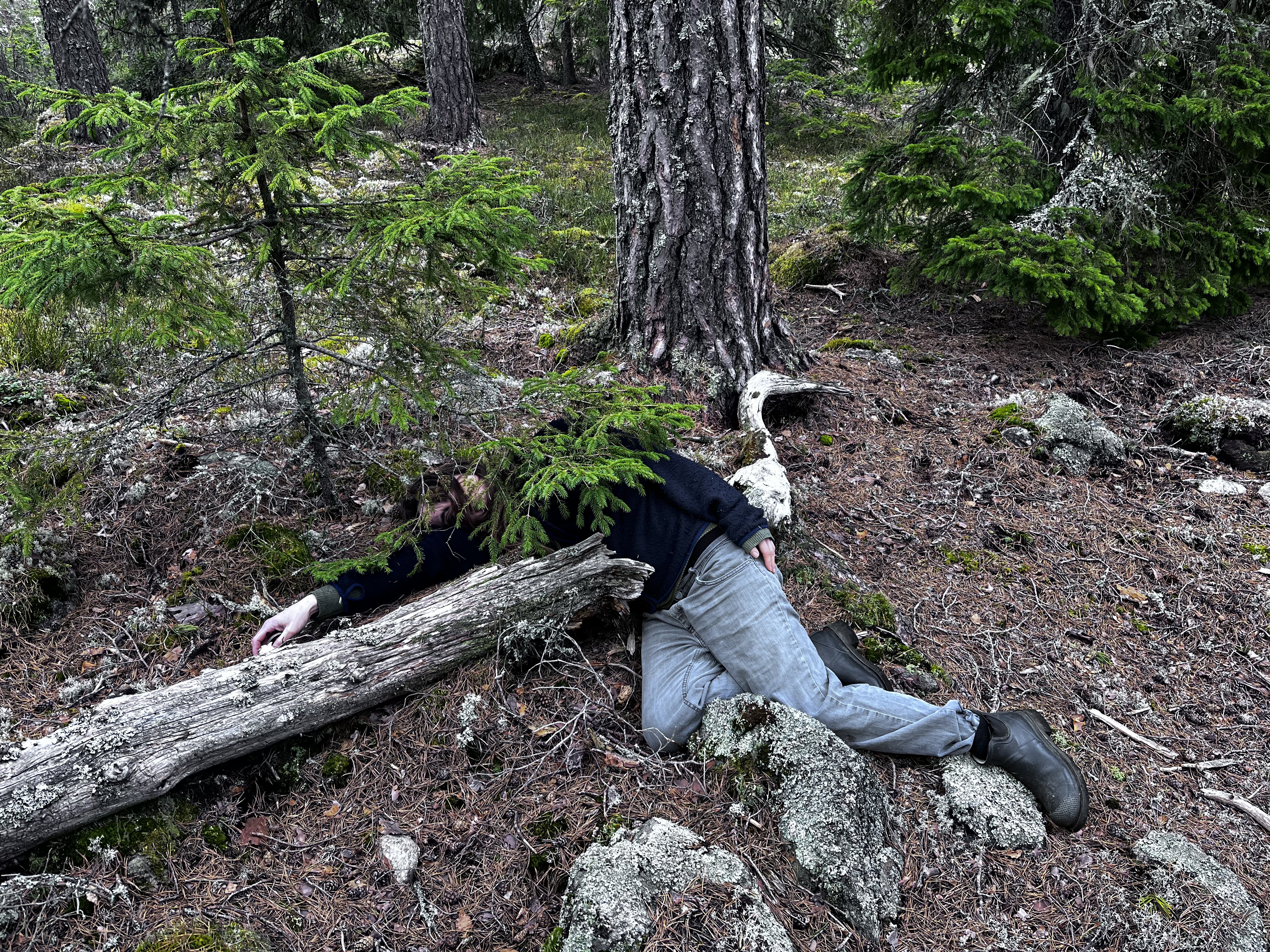
For one intensive week, performance‑maker Rickard Borgström and choreographer Mikko Hyvönen turn the pine ridge of Digerberget into both studio and interlocutor. Within Rickard Borgström’s artistic-research project Performing Ecologies, this Field Lab braids Roy Hart–inspired extended voice work with eco-psychological motifes to unfold a hybrid practice of choreographic lamenting.
Daily cycles of sounding, moving and writing collide grief‑growls with spiral steps; field notes harden into blunt, anti‑pastoral texts that probe the stubborn seams; mind/body, culture / nature, human / plant. The inquiry stays material and biological factual: what happens when vocal cords vibrate like resin under beetle pressure and words spring from the moss as both wound and salve?
Insights feed directly into sister research biotopes in Ekeby Nature Forest [SE], Sibbo Storskog [FI], Öjen Nature Forest [FI], and preparing for future iteration in Repovesi [FI].
Informal Public Sharing
Saturday 10 May, 14:00-15:00
DansPlats Skog, Stråtjära
Audio fragments, movement scores and stories about the work will surface for an open dialogue on how live art might sense planetary urgency rather than merely aestheticise it.
Residency dates: September 15–28, 2025 Åland Islands, Finland
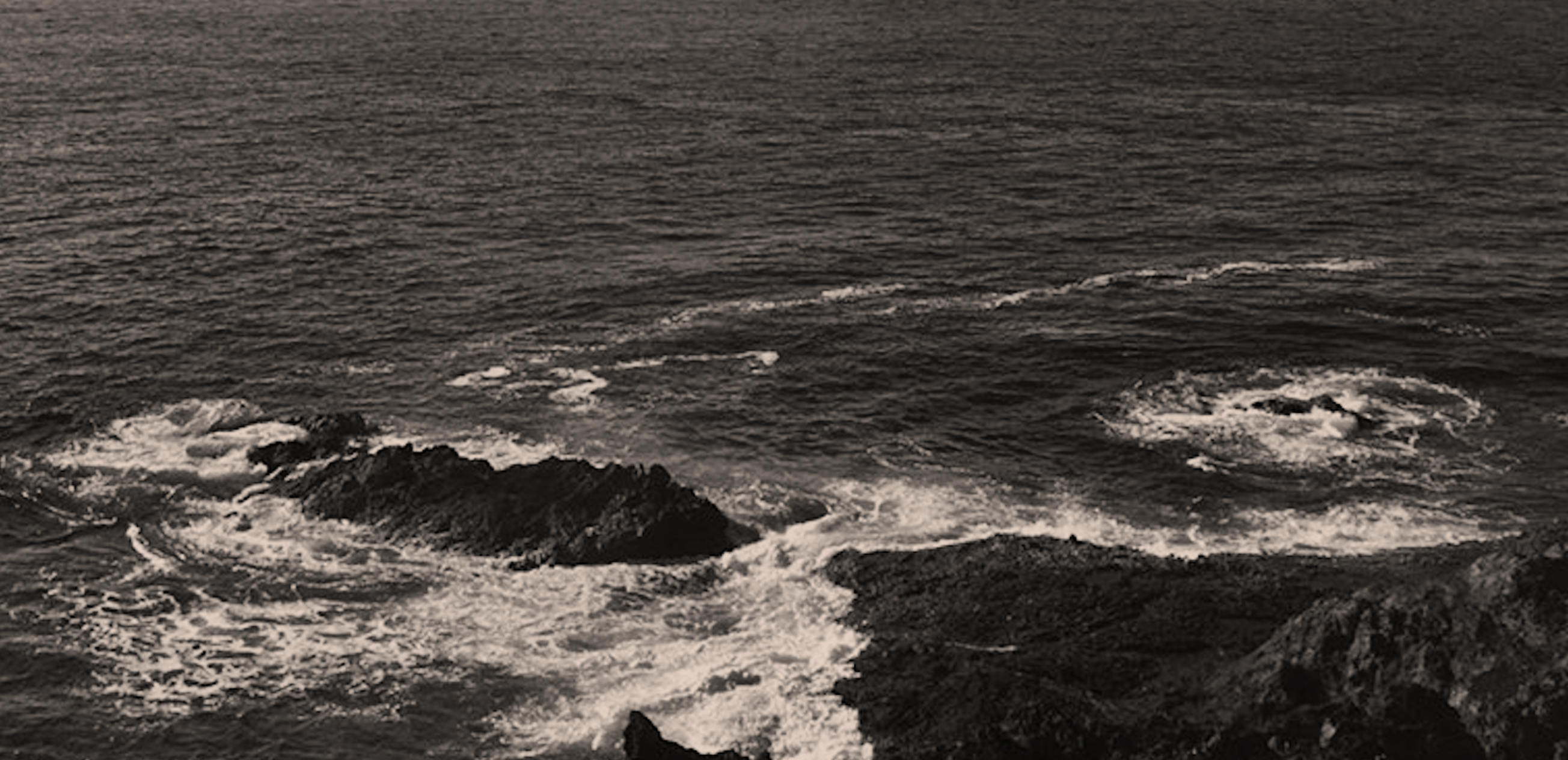
In this upcoming research cycle, we turn our attention to the sea. Specifically, we examine the relationship between humans and oceans, exploring marine life and the archipelagic landscapes of the Baltic. We approach this research through artistic exploration, engaging with the sea’s diverse elements from multiple perspectives. Employing a multitude of methodologies, we immerse ourselves in various aspects of the marine environment—not only the rhythms and movements of water, but also the textures of seaweed and kelp, the microscopic worlds of plankton, the behaviors of fish, and the geological layers of rocks and sediments that hold the memory of time.
As marine ecosystems undergo transformations due to human influences—such as pollution, eutrophication leading to algal blooms, oxygen-depleted seabeds, and shifts in biodiversity—we engage with these evolving environments. Our artistic practice becomes a space for inquiry and reflection, allowing us to explore how marine biology and geology are adapting and changing. By inhabiting questions and uncertainties around these fundamental shifts, we aim to understand the complexities of these changes through our creative work.
“Currents” are at the heart of this inquiry—not only as natural phenomena but as forces that shape societies, ecosystems, and cultural processes. We draw upon mythological narratives, Anthropocene discourse, and scientific knowledge to deepen our understanding of the ocean’s role in historical and contemporary contexts. In doing so, we reflect on societal structures and power dynamics, including the ways patriarchal systems affect ecological relationships.
This residency fosters dialogue and collaboration. It’s an opportunity to engage with local artists, curators, scientists, and residents, grounding your work in diverse perspectives and lived experiences. Together, we explore connections between artistic practice and ecological systems, framing the sea as both subject and collaborator.
Why Join?
If these themes resonate with you, whether you work in performing arts, visual arts, or other creative disciplines, we warmly invite you to apply. This residency is a chance to collaboratively shape the structure of your stay, aligning with your practice while contributing to a shared investigation of marine ecologies. During the residency, we host a two-day gathering with international and local scientists, artists, curators and activists, centering on the ecological challenges of the Åland Sea and its archipelago. This symposium, developed in collaboration with NIPÅ – Nordic Institute on Åland, offers a space to share preliminary findings, exchange research questions, and expand connections across disciplines.
Practical Details
The residency provides a 14-day immersive experience on a small island in the Åland archipelago. Nestled close to the sea, the island offers a inspiring environment for research and creative work.
Accommodation: Artists are housed in simple yet comfortable apartments with single rooms, kitchens, and bathrooms—just meters from the water. A sauna is also available.
The artist will receive a fee of €600 per 2-week residency (€1200 total) and per diems of €50* (€1400 total). Accommodation and travel is provided.
This iteration of the residency program focuses on artists from Italy and Croatia. If you are based elsewhere but interested in the research cycle, please contact DACE directly.
Currents of kinship:Kinesthetic Ecology of the Sea Residency 14-21.11 ISLAND CONNECT
DACE – Dance Art Critical Ecology is initiating an artistic research cycle focused on the ocean, the rich marine life, and the archipelagic landscapes of the Baltic Sea. Together with peers from the visual and performing arts and scientific communities, we will examine the relationship between the human body and the ocean through movement and embodied practices.
In this research, we engage with the sea not merely as a vast expanse of water but as a complex ecosystem teeming with life—from microscopic plankton and marine insects to a diverse array of fish, mammals, and underwater vegetation. We embrace both the known and the unknown aspects of the ocean’s biodiversity, acknowledging its profound impact on all life and the essential role it plays in Earth’s ecology.
The Baltic Sea faces severe environmental challenges due to pollution, overfishing, climate change, and other human activities that have led to a critical state of ecological imbalance, threatening the myriad species that inhabit these waters. By confronting the impact of these actions, we aim to question the power structures and norms—including patriarchal systems—that have contributed to this situation.
Our research will reflect on how ancient narratives from Norse sagas and Homer’s epics have shaped perceptions of the ocean, juxtaposing these mythological views with the pressing realities of today. By integrating mythological, Anthropocene, and scientific perspectives—and embracing post-humanism, new materialism, and eco-feminism—we aim to generate new insights into how we engage with the sea. Inspired by the fluidity and diversity of marine life that often defies human classifications, we will challenge traditional binaries and norms.
We explore how embodied artistic practices can interact with these multifaceted dimensions of the sea. By decentering the human perspective and recognizing the agency of marine life and the ocean itself, we hope to foster a deeper connection and understanding.
We are thrilled to begin this research through the Creative Europe-funded network Island Connect and its artistic residency programs on islands in the Baltic Sea and the Balearic Sea. During an initial week in Mallorca, we will explore the delicate ecosystem of the Balearic Sea, which, much like the Baltic Sea, faces severe environmental challenges due to overfishing, pollution, and climate change. We find it valuable to meet with artists, curators, and researchers within the network and on the island to understand how they address critical ecological challenges facing marine ecosystems and foster collaborative approaches to environmental stewardship.
This cycle offers a space for reflection and collaboration, contributing to a deeper understanding of our relationship with ocean life. By highlighting the critical state of the Baltic Sea and the vast diversity it supports, we aspire to encourage thoughtful engagement and creative responses to these pressing environmental issues. We welcome your involvement in this cycle.
We extend our gratitude to Tang Fu Kuen, curator, for not only opening up the discussion on urgent questions concerning the ocean but also inspiring us to find a way for us to initiate the trajectory. We also thank Susanne Danig, Director of Bækkelund International Residency Center for Artists, for inviting us to the Island Connect network and supporting our discussions on creating an artistic research program around the Baltic Sea.
Performance Evoking relational memories of Pine, Spruce, Juniper, Birch, Moss, Lichen, Stone 12 October 10.00 – 15.30 Ostrobothnian Museum
How do we listen to the laments of the land? How might our bodies, through sound and movement, attune to the subtle rhythms of plant life and the ecosystems that surround us?
Through sensuous approaches, we seek ways of being with the ecology that embrace the complex and often contradictory relationships between humans and the more-than-human world.
As a witness, we invite you to explore the resonance of evocation through sound and movement with us, the emotional and ecological dimensions it holds, and its ability to foster deeper connections with the interwoven fabric of life.
The performance takes place in dialogue with the depicted forest land and all of its diverse elements in the exhibition Forests of the North Wind by artists Ritva Kovalainen and Sanni Seppo. Like the exhibition, the performance reflects on the fragile connections between humans and the more-than-human world, emphasizing the importance of preserving these ecosystems and the wisdom they hold.
The unfolding of this choreographic practice has taken place in Ekeby Nature Reserve, southwest of Stockholm, and Öjen Nature Forest close to Vasa, within the framework of the research project Performing Ecologies, initiated by Rickard Borgström.
CREATION by Rickard Borgström IN CLOSE COLLABORATION WITH DANCERS Rebecca Chentinell and Mikko Hyvönen.
Evoking relational memories of Pine, Spruce, Juniper, Birch, Moss, Lichen, Stone is produced by Vaasan museot & Regional Dance Center of Ostrobothnia, and supported by Föreningen Konstsamfundet and Oskar Öflunds Stiftelse, and it is made possible thanks to the generosity and devotion from the team.
Post-Performance Talk 12 October 16.00 -17.00 Ostrobothnian Museum
After the performance Evoking relational memories of Pine, Spruce, Juniper, Birch, Moss, Lichen, Stone join us for a conversation with the performers, Leena Nyqvist, that host the performance and the exhibition Forests of the North Wind and Eleni Pierides, Manager of the Regional Dance Center. Together, we will explore the shared themes of ecological relationships, more-than-human connections, and how both the exhibition and the performance engage with the natural world. This discussion will offer insights into the creative process behind the work, the inspiration from forest ecosystems, and the role of art in reimagining our connection to nature. We welcome your reflections, questions, and contributions to the conversation.
• Leena Nyqvist, Head of Public Program Vaasan museot • Eleni Pierides, Manager of the Regional Dance Center of Ostrobothnia • Rickard Borgström, DACE – Dance Art Critical Ecology, Curator & Performance Maker • Rebecca Chentinell, DACE – Dance Art Critical Ecology, Curator & Choreographer • Mikko Hyvönen, Choreographer & Dancer
Workshop Exploring the Body as Earth: An Eco-Somatic Journey 8 October Vaasan kaupunginteatteri
Imagine a world where our bodies are not composed of organs, bones, and muscles, but of forests, rivers, and mountains. Picture your skin as an ecosystem where rivers meander, trees root deeply, and life unfolds. Your heart, a reservoir of precious minerals, beats in harmony with the rhythms of the Earth. In this embodied world, time slows down, echoing the vast transformations of geological epochs—glaciers carving the land, species emerging and receding.
In this workshop, we delve into the interconnectedness between the human body and the Earth through a series of movement, sound, and imagination. The workshop draws from the research project Performing Ecologies initiated by Rickard Borgström, in collaboration with Rebecca Chentinell and Mikko Hyvönen. This particular workshop is inspired by the Eco-Somatic practice of Amanda Piña and Eco-Qigong techniques adapted by artist Zheng Bo. It seeks to expand our awareness of the Earth by physically embodying its processes. By attuning our bodies to the rhythms of forests, rivers, and mountains, we cultivate an eco-sensitivity that shifts our understanding to an embodied approach to the ecological crisis, inviting us to reshape our relationship with nature.
This invitation is for professional dancers, yet it is open to anyone interested in exploring the body as a vessel of ecological knowledge. The practice does not require prior dance training—only a willingness to engage with your body in a new, exploratory way. Here, dance becomes a medium through which we activate and honor the often-overlooked wisdom embedded in our physicality.
In a world that prioritizes rational thinking, this practice calls us to reconnect with the somatic wisdom of our bodies, allowing us to experience and empathize with life forms we often categorize as ‘nature’. By blurring binary frameworks that contribute to the objectification and destruction of the Earth, we cultivate a sense of responsibility and care for our endangered environment, fostering a new way of seeing and being in the world.
The workshop Exploring the Body as Earth: An Eco-Somatic Journey is led by Rickard Borgström, Rebecca Chentinell and Mikko Hyvönen, supported and produced by Regional Dance Center of Regional Dance Center of Ostrobothnia.
Public Sharing: lightwork /\ autumnal equinox, 21.9 Public sharing, WELD
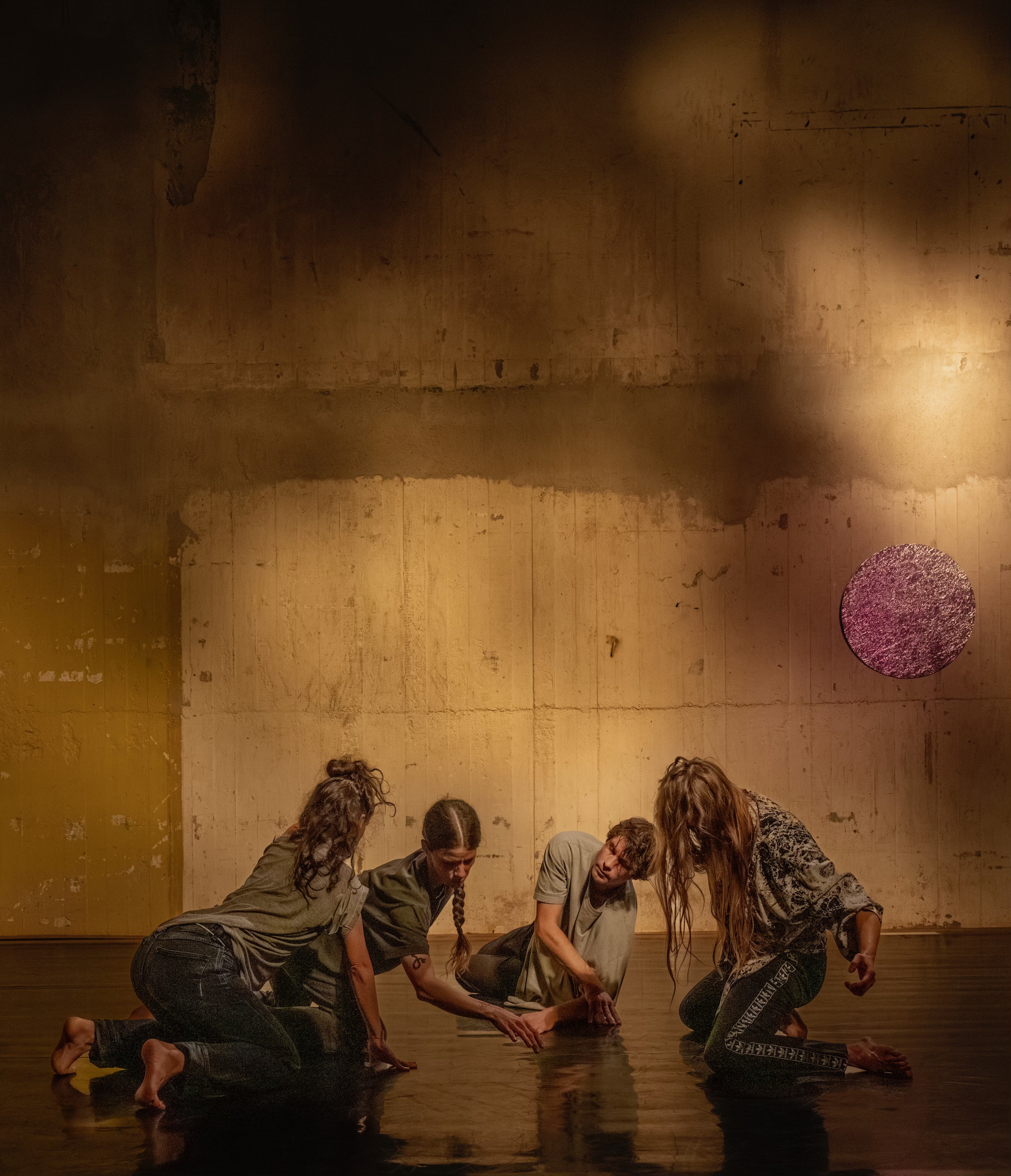
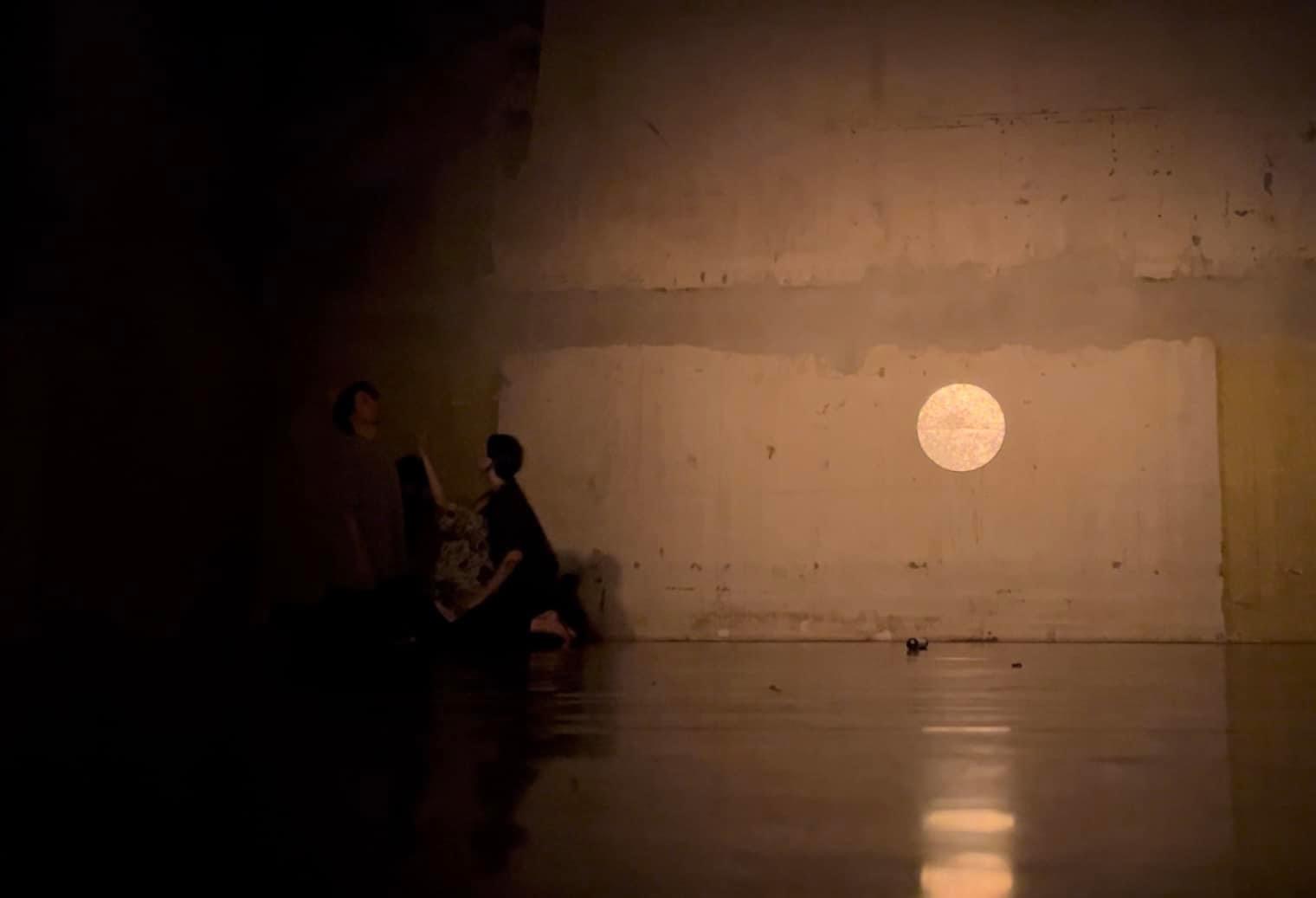
Initiated through breath and pulse we search for the currents of life, the radiating energy of our inner organs and its synchronicity with the planetary movements of the universe. We reach, like striving plants for the palette of colors our cells urge, delve into the darkness to sensitize the interconnections in the wider web of enmeshed matter.
lightwork /\ autumnal equinox seeks to recalibrate our understanding of the body, the universe, and the often imperceptible interplay of spiritual and quantum realms that tie them together. By illuminating how deeply we are entangled with the more-than- human world — from the smallest particles to the vast cosmic flows — can we perceive all life-forming energy as one or equal?
lightwork /\ autumnal equinox marks the beginning of a cyclical journey, one that follows the rhythms of the seasons, the movements of the solar system, and the spirals of life and death. In this first phase, we dive into frequencies of energy, light and sonic vibration in search for coherence and resonance, fleeting though they may be — just as the equinox balances day and night for a brief moment in time and space.
On Saturday 21st of September you are invited to a sharing of the first phase of the explorations and to gather around soup afterwards.
CREATION by Rebecca Chentinell IN CLOSE COLLABORATION WITH DANCERS Camilla Brogaard, Mikko Hyvönen, Korina Kordova LIGHT AND SET DESIGNER Jens Sethzman COMPOSER Félicia Atkinson INNER EYE Rickard Borgström
lightwork /\ autumnal equinox is supported and produced by Weld and made possible thanks to the generosity and devotion from the team, platform and community.


 rickardborgstrom.com